
This island offers something rare in modern travel. Time feels different here. Architecture carries history openly. Daily life happens outdoors. In this Cuba travel guide, we will explore the three defining characteristics shaping the experience: preserved architecture with layered history, a living music culture woven into daily life, and a rhythm of life rooted in presence rather than urgency.
Why Cuba Feels Special
First, architecture. Walking through Old Havana feels like stepping into an open air archive. Baroque facades, neoclassical mansions, pastel buildings in varying states of restoration all coexist. Some structures shine from careful preservation. Others reveal peeling paint and exposed brick. The visuals tell a story, the cities and environment feel lived in, not staged.
Second, music. In many destinations, music is entertainment. In Cuba, music is communication. You hear it in plazas, restaurants, and private homes. Genres like son, salsa, bolero, and rumba are part of daily rhythm. Even small towns carry this pulse. Music is not reserved for evenings. It flows through afternoon streets and family gatherings.
Third, pacing. Cuba does not rush. Lines move slowly. Conversations last longer than expected. Meals are social events rather than transactions. This rhythm can feel unfamiliar at first. Then it becomes grounding. Travelers learn to release strict schedules and notice detail.
These characteristics create a destination defined by atmosphere rather than tourism checklist. Traveling to Cuba becomes less about ticking off sights and more about understanding context.
Destination Highlights
Havana
The Malecón offers a different view. This long seaside promenade gathers locals at sunset. Couples sit along the sea wall. Musicians play guitars. Waves crash dramatically during windy evenings. It is a place to observe daily life rather than rush past it.
Central Havana introduces a more residential character. Grand buildings stand beside modest apartments. Street art appears unexpectedly. Life unfolds on doorsteps and balconies. For travelers willing to look beyond curated spaces, this district reveals depth.
Viñales Valley
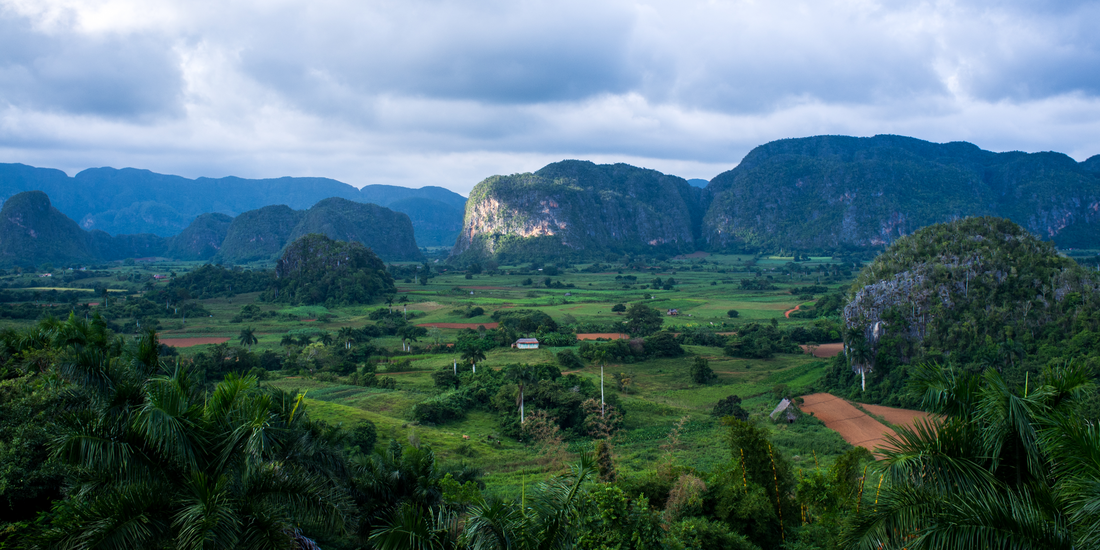
This region invites slower exploration. Guided visits to family run tobacco farms provide insight into cigar production. Horseback rides move through fields and along narrow trails. Evenings here feel intimate. Small guesthouses host dinners on open terraces with valley views.
Viñales highlights Cuba’s agricultural roots. It balances the intensity of Havana with rural calm.
Trinidad
During the day, artisans sell handmade goods from shaded stalls. At night, steps near Casa de la Música fill with locals and visitors dancing together. The atmosphere remains relaxed. Music and conversation flow easily.
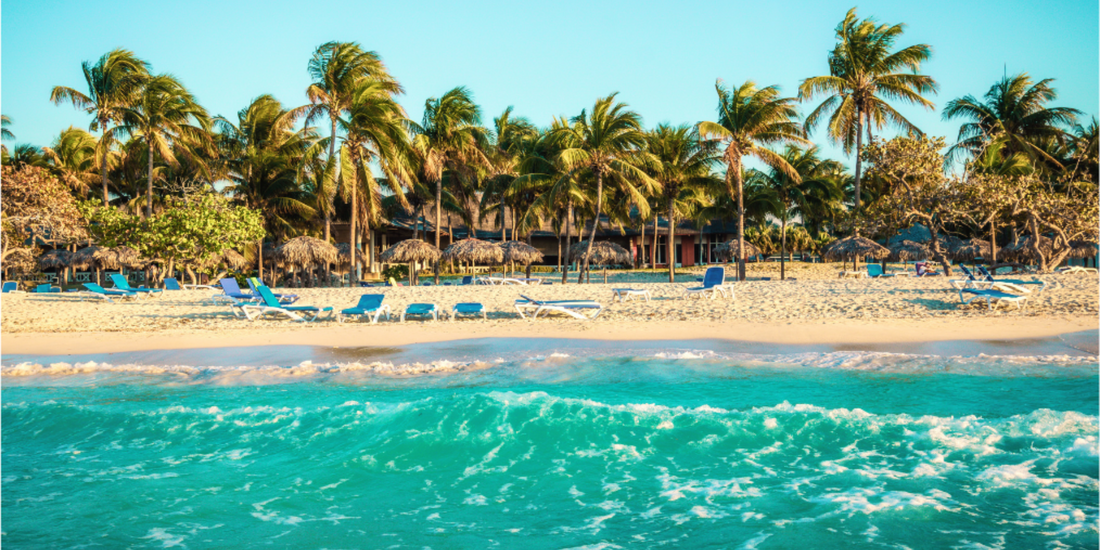
Nearby Playa Ancón provides access to Caribbean waters without the scale of major resort zones. The beach feels open and unhurried.
Cienfuegos
Cultural and Sensory Details
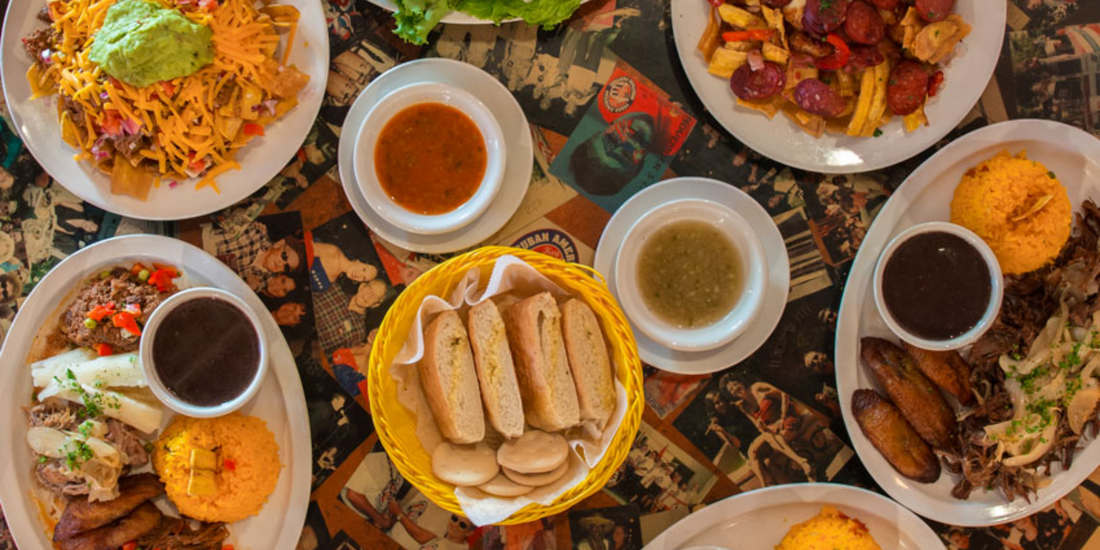
Coffee culture is strong. A small cup of Cuban espresso delivers intensity. It is shared, discussed, and savored rather than consumed quickly.
Music shapes the evenings. Live bands perform in courtyards and terraces. Dancing happens spontaneously. Travelers do not need formal lessons to participate. Rhythm becomes intuitive through observation.
Scenery shifts dramatically across the island. Northern beaches near Varadero feature wide stretches of sand and clear water. Eastern regions such as Baracoa offer lush mountains and rivers. Central valleys reveal farmland and quiet villages. Each region contributes to a broader understanding of Cuban identity.
Daily life takes place in public spaces. Children play in plazas. Neighbors gather on stoops. Markets sell fresh produce in simple displays. Visitors who engage respectfully often find conversations start easily. Spanish language skills enhance the experience, yet warmth transcends vocabulary.
Practical Travel Insights
Best Time to Visit
May through October brings warmer weather and occasional heavy rains. Travel during shoulder months such as May or November can offer balance between climate and availability.
Budget Considerations
Getting Around
What to Pack
Local Etiquette

Expert Planning Insight
Advanced planning remains essential. Restaurant reservations and private guides should be arranged before arrival when possible. Availability fluctuates due to supply constraints. Working with someone familiar with on the ground logistics prevents unnecessary stress.
A Common Misconception
This Cuba travel guide emphasizes immersion rather than convenience driven travel. Those open to adaptability often leave with deeper appreciation.
Who Cuba Suits Best
Romance here feels understated. It grows from shared experience rather than staged settings.
Cuba rewards curiosity. It asks travelers to look closely at architecture, to listen carefully to music, to move at a human pace. It offers layered history, living culture, and landscapes shifting from city to valley to coast.
If Cuba resonates with your vision for travel, thoughtful planning makes all the difference. Book a consultation and we will build a plan aligned with your priorities.