

Three characteristics define Jamaica in ways few Caribbean destinations share. The Blue Mountains create one of the most dramatic landscapes in the region. Music forms an essential part of daily life and identity. And Jamaican cuisine brings together African, Spanish, and indigenous influences with unmistakable bold flavor. Together these elements shape an island with a clear sense of personality.
Understanding these layers helps travelers appreciate Jamaica not only as a beach destination but as a place rich with culture, geography, and tradition.
Why Jamaica Stands Apart
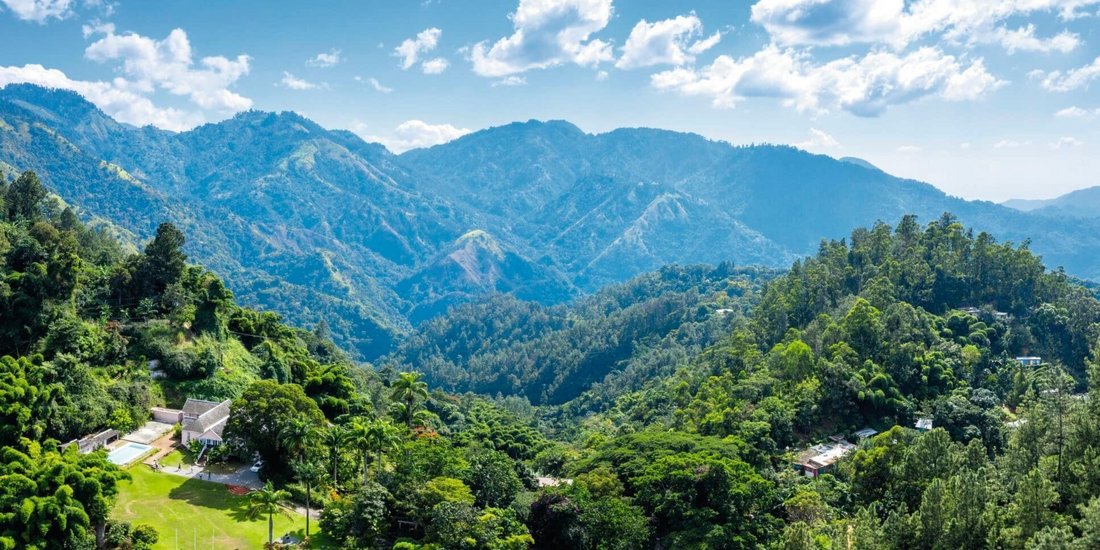
The Blue Mountains dominate the eastern side of the island. Mist rises through dense forest each morning, creating one of the most striking landscapes in the Caribbean. Small farming communities grow world renowned coffee across steep slopes where cool air contrasts with the tropical coast below.
Food completes this cultural identity. Jamaican cooking celebrates bold seasoning and traditional methods. Local kitchens combine spices, fresh seafood, tropical fruit, and slow cooked meats in ways reflecting centuries of cultural exchange.
A Jamaica travel experience becomes memorable through this balance of land, music, and flavor.
Travelers often arrive expecting beaches alone. They leave with a deeper appreciation for culture, geography, and the spirit of island life.
Landscapes and Places Which Shape the Island
Montego Bay
The nearby Hip Strip presents a lively mix of restaurants, music venues, and craft markets. During the evening, outdoor patios fill with conversation and live music.
Beyond town, quiet beaches and snorkeling spots appear along smaller coves where clear water reveals coral and tropical fish.
Montego Bay works well for travelers seeking convenience paired with a lively atmosphere.
Negril
Sunsets in Negril carry special reputation across the Caribbean. As the sun lowers into the horizon, music rises from nearby beach bars while travelers gather along the shoreline.
On the cliffs south of town, small guesthouses overlook dramatic limestone edges where waves meet rock formations below. This area offers a quieter perspective of island life compared with the busier resort districts.
Ocho Rios
The famous Dunn’s River Falls draws travelers from across the world. Water cascades down terraced rock formations surrounded by dense vegetation. Visitors climb the falls alongside local guides who know every natural step and pool.
Nearby rivers provide opportunities for rafting through bamboo groves while inland trails lead toward small farming communities and fruit stands.
Ocho Rios blends nature and adventure in a way which reveals Jamaica’s interior landscapes.
The Blue Mountains
Early morning mist drifts across the slopes while farmers tend coffee plants along narrow paths. Hiking trails wind through forest where birds and cool mountain air create a peaceful environment far removed from the coastline.
Many visitors explore small coffee farms to learn how Jamaica Blue Mountain coffee is cultivated and roasted. Tasting freshly brewed coffee while overlooking the valleys below becomes a highlight of the region.
This landscape reveals Jamaica beyond its shoreline.
Culture Through Sound, Flavor, and Daily Life
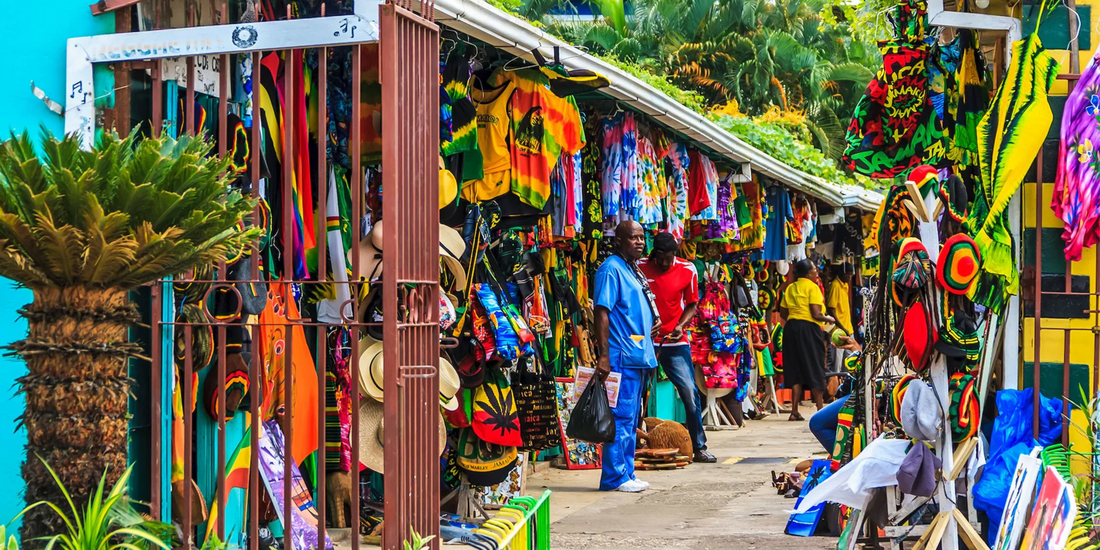
Music remains central to island identity. Reggae originated here through artists like Bob Marley, whose influence still shapes modern music around the world. In Kingston, murals and recording studios celebrate the legacy of Jamaican musicians while local artists continue developing new sounds.
Yet music appears not only in concert halls. Taxi drivers play reggae through open windows. Beach bars host live performances during sunset hours. Local festivals transform public spaces into gatherings filled with rhythm and dancing.
Food forms another pillar of Jamaican culture
Travelers will encounter jerk chicken and pork at roadside stands where smoke rises through metal grills while vendors greet guests with conversation and laughter.
Seafood also plays an essential role in island cuisine. Grilled lobster, escovitch fish, and curried shrimp appear regularly across coastal restaurants.
Fresh tropical fruit completes many meals. Mango, pineapple, and papaya provide refreshing contrast to bold savory flavors.
These small encounters often become lasting memories.
Practical Travel Insights for Visiting Jamaica
Best Time to Visit
December through April provides warm temperatures with lower humidity. This season attracts many travelers seeking winter sun.
May through early June and late autumn offer quieter conditions with favorable weather. Travelers often find better accommodation availability during these months.
Hurricane season runs from June through November, although major storms remain unpredictable and not every year experiences significant weather events.
Budget Considerations
Luxury resorts along Montego Bay, Ocho Rios, and Negril provide full service amenities and beachfront locations. Boutique hotels and guesthouses offer smaller scale hospitality with more local character.
Travelers seeking cultural immersion often choose smaller properties where staff share recommendations for nearby markets, beaches, and restaurants.
Food costs remain relatively moderate when dining outside resort areas. Local eateries provide authentic meals at reasonable prices.
Getting Around
For exploring multiple regions, hiring a local driver allows travelers to move comfortably between towns while learning about Jamaican history and culture along the way.
Rental cars remain available, though visitors should remember driving occurs on the left side of the road.
What to Pack
Sun protection remains essential, including hats and reef safe sunscreen. Comfortable walking shoes prove useful for exploring waterfalls and mountain trails.
A light rain jacket can also help during tropical showers.
Local Etiquette
Greeting someone before asking a question shows courtesy. A simple “good morning” or “good afternoon” goes a long way.
Tipping in restaurants and for tour guides is customary and appreciated.
Respect for music, food, and cultural traditions deepens the experience for travelers who approach the island with curiosity and openness.

One Planning Insight Many Travelers Overlook
While Jamaica’s beaches deserve attention, spending time in the Blue Mountains or visiting small inland communities adds valuable perspective. Even one day exploring the interior reveals landscapes and traditions which many travelers miss.
A morning coffee farm visit followed by an afternoon swim along the coast creates a balanced day which captures more of Jamaica’s personality.
A Common Misconception About Jamaica
In reality, the island offers diverse experiences beyond resort properties. Boutique hotels, mountain lodges, eco stays, and locally owned guesthouses allow visitors to connect with Jamaican culture more closely.
Exploring local restaurants, music venues, and markets reveals the everyday energy of the island.
Resorts provide comfort and convenience, yet Jamaica becomes most interesting when travelers step beyond resort gates and explore the broader landscape.
Who Jamaica Suits Best
Couples planning honeymoons or anniversaries often appreciate Jamaica’s combination of scenic landscapes and cultural energy. Quiet beaches in Negril offer privacy while mountain retreats provide peaceful escapes above the coastline.
Destination weddings also find natural settings across Jamaica’s resorts, beaches, and hillside estates.
The destination works best for visitors who appreciate culture alongside relaxation.
Jamaica carries a presence distinct within the Caribbean.
Mountains rise above coastal plains while music drifts through neighborhoods and beaches. Bold flavors fill open air kitchens. Conversations unfold easily between locals and visitors.
Travelers who approach the island with curiosity discover far more than beaches alone. They encounter an island with history, creativity, and cultural depth.
Great trips begin with thoughtful preparation.