I had been to Oahu years before. When a close friend planned her destination wedding on Maui, I flew in for it. And after the wedding ended, instead of going home, I rerouted. The Big Island was close, it had been on my list, and something about it felt like the right time to go alone and just explore.
It was one of the best travel decisions I have made.
The Big Island does not look like the rest of Hawaii. If you are showing up expecting the beaches and resort corridors of Maui or the Waikiki energy of Oahu, you will land and feel like you took the wrong flight. This island is the youngest and largest in the chain, still actively forming in places. There are volcanic landscapes where the earth is visibly changing. There are black sand beaches born from ancient lava flows, with sea turtles sleeping through the afternoon. The western Kona coast gets consistent sunshine and sits alongside some of the clearest, most wildlife-rich water I have ever been in. The eastern side around Hilo is lush and green and entirely different in character.
For couples planning a honeymoon, romantic or adventurous trip to Hawaii, the Big Island requires a slightly different decision process than the other islands. This guide covers what the Big Island delivers, region by region, and how to figure out whether it is the right Hawaii trip for how you and your partner travel together.
Hawaii Big Island black sand beach
What Makes the Big Island Different from Every Other Hawaiian Island
The Big Island is enormous by Hawaii standards. It contains eleven of the earth’s thirteen climate zones. The implications of this are not abstract: you can start your morning in a lava field, spend your afternoon in crystal-clear ocean swimming alongside wildlife you did not expect, and end your evening watching the volcanic glow above the caldera in the dark.
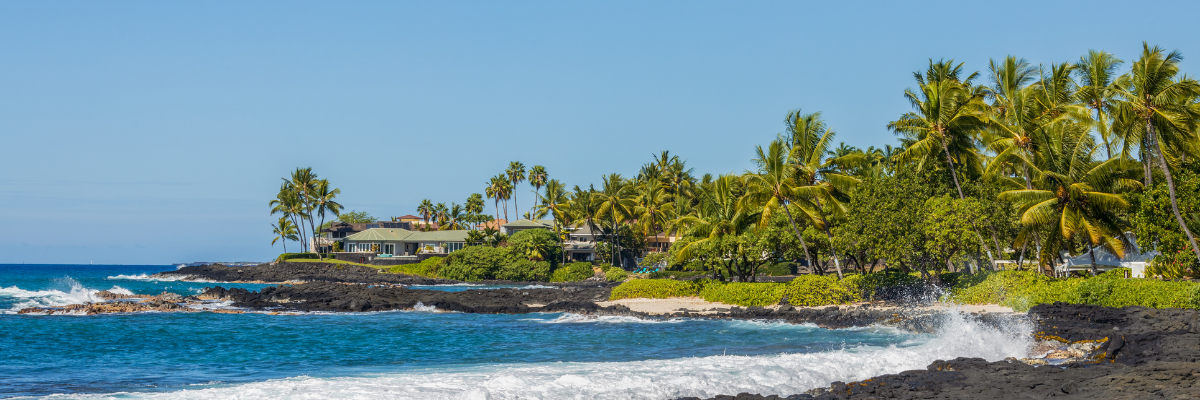
Most couples choose a home base on the west side of the island, which runs from Kailua-Kona south through the Kohala Coast resort corridor to the north. This is where the luxury resorts are, where the weather is consistently sunny, and where the ocean activities are most accessible. Day trips from this base reach volcanic landscapes, Hilo, waterfalls, and the mountain in under two hours.
The east side of the island, anchored by Hilo, is a completely different environment. It receives significant rainfall, which produces the lush tropical landscape, botanical gardens, and dramatic waterfalls the Big Island is also known for. Hilo itself is a small city with a walkable downtown, local restaurants, and a character completely unlike the Kohala Coast resort corridor.
The drive between Kona and Hilo along the Saddle Road, cutting through the interior of the island between the volcanic peaks, is one of the more memorable drives I have taken anywhere. The landscape on either side of the road looks like nowhere else in the country. Fun fact for anyone who thinks Hawaii means permanent warmth: the middle of this island, at altitude, can and often does get snow. Mauna Kea sits at nearly 14,000 feet. The snowcapped peak above a tropical island is not something most people picture when they imagine Hawaii, but it is real.
Hawaii Volcanoes National Park
Volcanoes National Park is one of the Big Island’s most significant experiences, and one of the few places on earth where active volcanic activity is genuinely accessible to visitors.
The park covers the Kilauea caldera, the Chain of Craters Road, ancient lava tubes, steam vents, and extensive hiking trails across multiple types of volcanic terrain. Conditions change regularly, which means no two visits are exactly the same.
I only had about half a day to explore because it was part of an east side island tour, and it still ended up being one of the highlights of my trip. Next time, I’ll dedicate an entire day to the park. It deserves it.
If you’re planning your own visit, budget a full day. Stay into the evening, when the caldera glow becomes visible in low light, bring layers for the higher elevation, and give yourself enough time to experience the park without watching the clock.
The Beaches
Not every Hawaiian beach is white sand. The Big Island makes this clear immediately.
Punaluu Black Sand Beach
Punaluu is formed from ancient lava flows and has a completely different texture and color from the beaches most people associate with Hawaii. Sea turtles rest on the dark sand in the afternoons. This is not a staged attraction. It simply happens because the turtles have been doing it there long before the visitors arrived.
Watch from a distance and do not approach them. The distance does not diminish the experience at all.
Kohala Coast Beaches
The resort corridor along the Kohala Coast has a series of white sand bays and coves, most accessible directly from the resorts or via short walks and public beach access points. The water is calm, clear, and excellent for snorkeling. This is the Hawaii most people are expecting when they book.
The combination of a Kohala base with a day trip to the black sand beach and the national park is the structure most couples find satisfying.
Green Sand Beach
Papakolea, known as the green sand beach, exists because of olivine crystals in the volcanic rock eroding into the bay. Getting there requires a rough four-mile round-trip walk or a shuttle across lava fields. Worth doing once for the sheer strangeness of it.
Ocean Experiences – This Is Where the Big Island Gets Unforgettable
I need to spend some time here because the water around the Big Island is unlike anything I have experienced in the Pacific, and I want to be specific about what happened out there.
Snorkeling – Some of the Best I Have Ever Done
I have snorkeled a lot of places. The water off Kona is some of the best I have ever been in.
I did a dolphin watch and snorkel in Kealakekua Bay. What happened in the water during this trip is genuinely hard to describe. We spent what felt like hours swimming alongside what seemed like hundreds of spinner dolphin babies. Their mothers were resting below us, hovering in the water at depth, watching with one eye open. The babies were everywhere. Spinning, swimming alongside us, completely unbothered by our presence.
It was the first time I ever saw a shark while snorkeling. A reef shark passed beneath us while we were swimming near the coast. My first thought was: of course there is a shark. The ocean does what it wants. It swam through calmly and moved on. Nobody on the tour panicked. It was just the ocean being the ocean.
Over the course of my time on the water around the Big Island, I also saw whales breaching, a tiger shark, and a hammerhead. All of these showing themselves not far from the boat and right there on the surface. The Big Island water is simply alive in a way not every destination can claim.
Manta Ray Night Snorkel – Do Not Skip This
The manta ray night snorkel near Kona is the experience I recommend most often when couples ask about the Big Island.
You float face-down in the dark water with underwater lights attracting plankton. The plankton attract manta rays, which come to feed at depth directly below you. These are large, graceful animals. Their wingspans can reach twelve feet, and they are entirely uninterested in the humans floating at the surface. They move through the water in slow, deliberate arcs and come reliably night after night.
It was so freaking cool. There is no more professional way to say it. It is one of the most unexpectedly spectacular things I have done on any trip, anywhere.
Whale Watching
Humpback whales are present in Hawaiian waters from roughly December through April. The Big Island is along the migration route, and whale watching tours operate from Kona during these months. If the timing aligns with a winter or early spring trip, it is worth adding.

Mauna Kea stargazing Hawaii Big Island
Hilo and the East Side
If the Kona side is your base, Hilo warrants at least one full day.
I did a full Hilo Adventure tour, covering Rainbow Falls, Akaka Falls, the Hilo Farmers Market area, and parts of the east side I would not have found on my own. For couples who want an efficient way to see the highlights of the east side in a day, a guided tour is the right call.
The Hilo Farmers Market on Wednesday and Saturday mornings is one of the better local markets I have been to in Hawaii. The botanical gardens outside of Hilo provide a different experience from the volcanic and coastal environments dominating the western side of the island.
The drive itself, through the interior on Saddle Road or around the southern tip, is worth the time even without a specific destination in mind.
Mauna Kea Stargazing
The summit of Mauna Kea sits at nearly 14,000 feet, above most of the earth’s atmospheric moisture and almost all light pollution reaching the rest of the island. It is one of the best stargazing locations on the planet. The Mauna Kea Observatories are some of the most significant research telescopes in the world, which should tell you something about what is visible from up there.
Summit access depends on weather and road conditions. The visitor center below the summit, at roughly 9,200 feet, is more consistently accessible and still provides stargazing well above the cloud line. Evening programs at the visitor center offer telescope access and guided sky reading. Travelers who make it up for a clear night consistently describe it as one of the most memorable moments of their trip.
I did not make it up for stargazing on my visit. It is one of the things I am going back for.
Is the Big Island the Right Hawaii Honeymoon?
The Big Island is the right Hawaii honeymoon for couples who want their trip to feel different every day without the logistics of moving between islands.
It is not the best fit for couples whose version of a perfect honeymoon is primarily resort-based and beach-centered. The Kohala Coast resorts are genuinely excellent and the snorkeling is some of the best in Hawaii, but the Big Island does not offer the concentrated white-sand-beach-in-every-direction experience Maui and Kauai provide.
What it does offer is the widest variety of any single Hawaiian island. Lava fields and black sand beaches and rainforest and ocean wildlife unlike anything I have seen elsewhere and snorkeling I still talk about and manta rays and coffee farms and a drive across volcanic saddle road, often within the same day or two. For couples who find value in experiencing something new each morning, the Big Island is consistently surprising.
If the destination question is still open – which honeymoon destination fits how you and your partner actually travel – is a useful read before committing to any single destination.
For couples still in the early stages of narrowing down the destination – this covers the process of getting from a long list to a clear answer.
When to Go
The Big Island receives favorable weather year-round, though the character of each season is worth knowing.April through October offers the driest conditions on the Kohala Coast and the warmest ocean temperatures.
The shoulder season of April through June and September through October tends to bring fewer visitors than peak summer. November through March brings slightly increased rainfall even on the Kona side and lower average temperatures, but also humpback whale season and generally more available accommodation at better rates.
The Hilo side receives rain in all seasons. Plan accordingly if spending significant time on the east side.
Practical Information
Getting there: The Big Island has two commercial airports. Kona International Airport (KOA) serves the west side and is the better option for couples basing themselves along the Kohala Coast. Hilo International Airport (ITO) serves the east side. Direct flights from the mainland are available to both.
Getting around: A rental car is essential on the Big Island. The island is large and the experiences worth having are spread across significant distances. There is no meaningful public transit for tourist purposes.
Resorts: The major resort corridor is along the Kohala Coast north of Kona. The Mauna Kea Beach Hotel, the Fairmont Orchid, and the Four Seasons Hualalai anchor the luxury end. Mid-range options exist along the same stretch.
For couples approaching the planning process and wanting to understand why the honeymoon itself matters, there is research on this worth reading.
Planning a Big Island Honeymoon
The Big Island rewards specific itinerary planning more than most Hawaiian destinations. The distances between experiences are real, and arriving without a general structure for each day produces trips where couples look back and realize they missed several of the things on their list.
As a Verified Travel Advisor and Certified Honeymoon Specialist who has spent time on the island, I can help with resort selection, activity sequencing, and building an itinerary around your travel style rather than a generic checklist.
If the Big Island is on the list, schedule a free call to build out a personalized itinerary today.