
Alaska isn’t just a destination—it’s an experience wrapped in nature’s most vivid colors. Whether you’re drawn by the deep blues of the glaciers, the fiery reds of fall tundra, or the mystical greens of the aurora borealis, Alaska’s landscape tells a story unlike any other. Let’s explore the Last Frontier through its breathtaking hues.

1. The Deep Blues: Glaciers and Icy Wonders
Alaska is home to over 100,000 glaciers, with some of the most famous being Mendenhall Glacier and Hubbard Glacier. These ancient ice formations appear in mesmerizing shades of blue due to the way dense ice absorbs and scatters light. Cruise tours in Glacier Bay National Park offer an up-close experience of massive ice calving into the sea—a sight which embodies Alaska’s raw power.
Travel Tip:
Alaska is home to over 100,000 glaciers, with some of the most famous being Mendenhall Glacier and Hubbard Glacier. These ancient ice formations appear in mesmerizing shades of blue due to the way dense ice absorbs and scatters light. Cruise tours in Glacier Bay National Park offer an up-close experience of massive ice calving into the sea—a sight which embodies Alaska’s raw power.
Travel Tip:
- Visit between May and September for the best chance of clear skies and active glaciers.
- Consider a small-ship cruise for a more intimate glacier-viewing experience.
2. The Vibrant Greens: Aurora Borealis and Rainforests
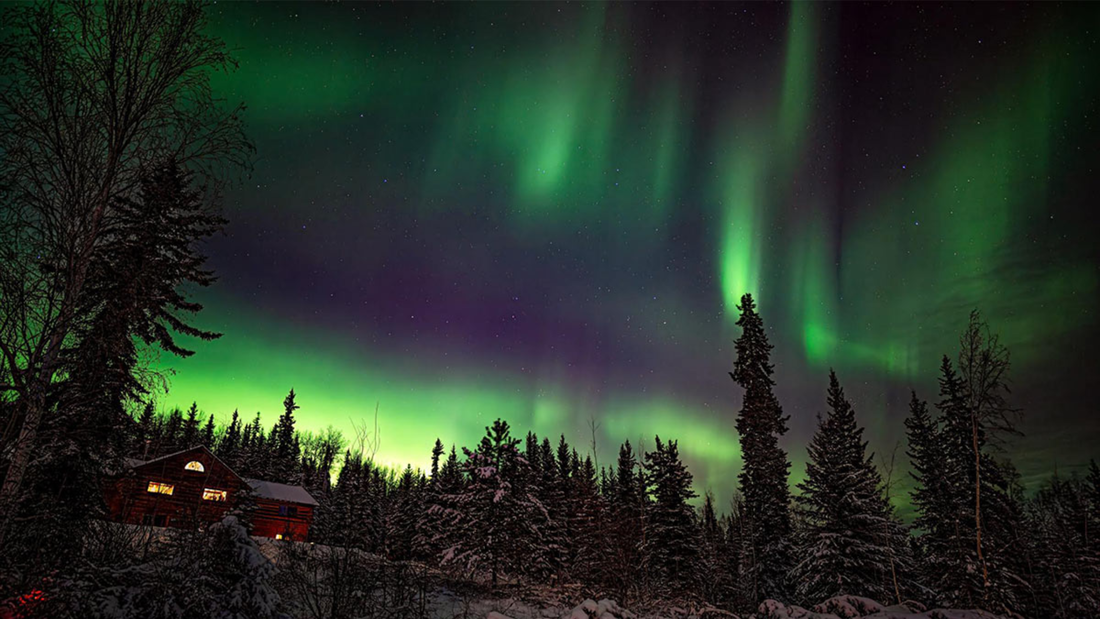
Alaska’s northern skies dance with the aurora borealis, a spectacular display of green and purple hues caused by solar activity. The best time to see the northern lights is from September to April, with Fairbanks and Coldfoot being top viewing spots.
Meanwhile, the Tongass National Forest, the largest temperate rainforest in North America, showcases rich shades of green. Towering spruce trees and moss-covered trails offer a lush escape into nature.
Travel Tip:
Alaska’s northern skies dance with the aurora borealis, a spectacular display of green and purple hues caused by solar activity. The best time to see the northern lights is from September to April, with Fairbanks and Coldfoot being top viewing spots.
Meanwhile, the Tongass National Forest, the largest temperate rainforest in North America, showcases rich shades of green. Towering spruce trees and moss-covered trails offer a lush escape into nature.
Travel Tip:
- Check the NOAA Aurora Forecast for real-time updates on northern lights activity.
- For rainforest exploration, pack rain gear—it’s called a rainforest for a reason
3. The Golden Yellows: Midnight Sun and Autumn Landscapes
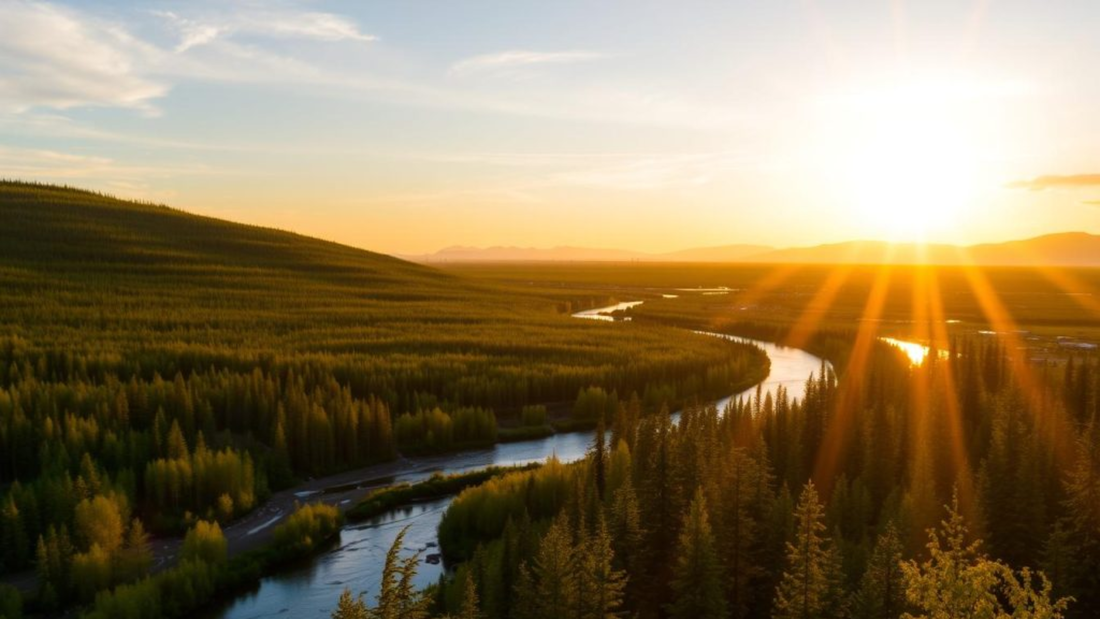
During the summer solstice, areas like Barrow (Utqiaġvik) and Anchorage experience the Midnight Sun, where the sun never fully sets, bathing the landscape in a golden glow. This phenomenon allows for extended outdoor adventures, from hiking to fishing.
Come September, Denali National Park transforms into a golden wonderland as tundra plants shift from green to shades of yellow and orange.
Travel Tip:
During the summer solstice, areas like Barrow (Utqiaġvik) and Anchorage experience the Midnight Sun, where the sun never fully sets, bathing the landscape in a golden glow. This phenomenon allows for extended outdoor adventures, from hiking to fishing.
Come September, Denali National Park transforms into a golden wonderland as tundra plants shift from green to shades of yellow and orange.
Travel Tip:
- Visit in June for 24-hour daylight adventures.
- Bring an eye mask if you’re sensitive to light while sleeping.
4. The Fiery Reds: Autumn Tundra and Wildlife Wonders
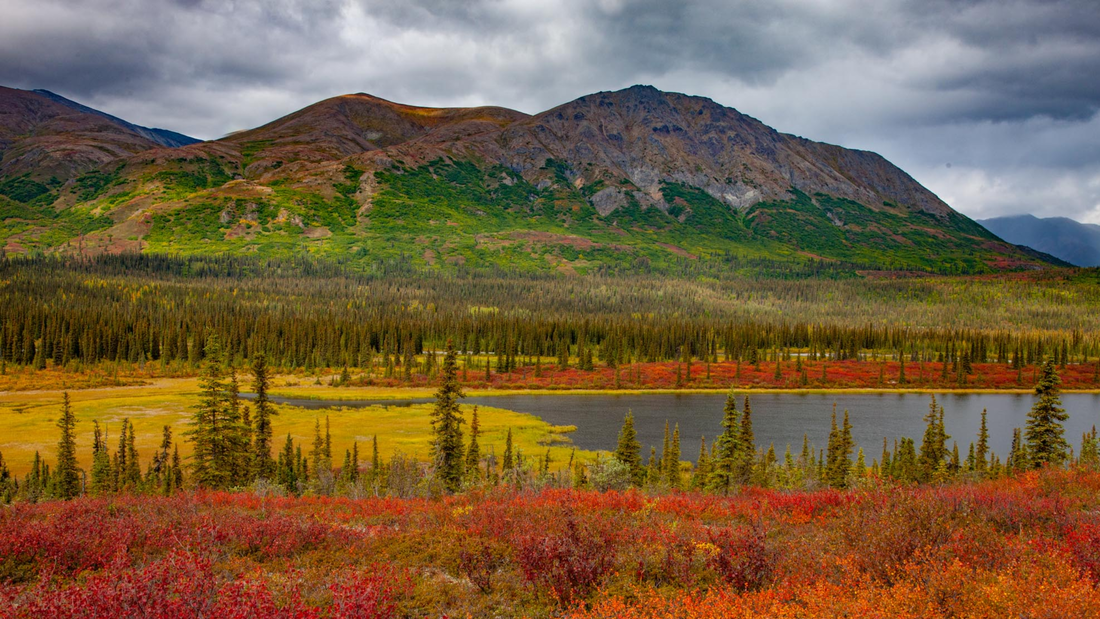
By late summer and early fall, Alaska’s tundra landscape turns into a fiery spectacle of red and orange, particularly in Wrangell-St. Elias National Park. This shift in color also marks prime wildlife-spotting season, as bears, moose, and caribou prepare for winter.
Travel Tip:
By late summer and early fall, Alaska’s tundra landscape turns into a fiery spectacle of red and orange, particularly in Wrangell-St. Elias National Park. This shift in color also marks prime wildlife-spotting season, as bears, moose, and caribou prepare for winter.
Travel Tip:
- For stunning fall colors, visit in late August to mid-September.
- Take a scenic drive along the Denali Highway for incredible autumn views.
5. The Pristine Whites: Snowy Peaks and Frozen Lakes
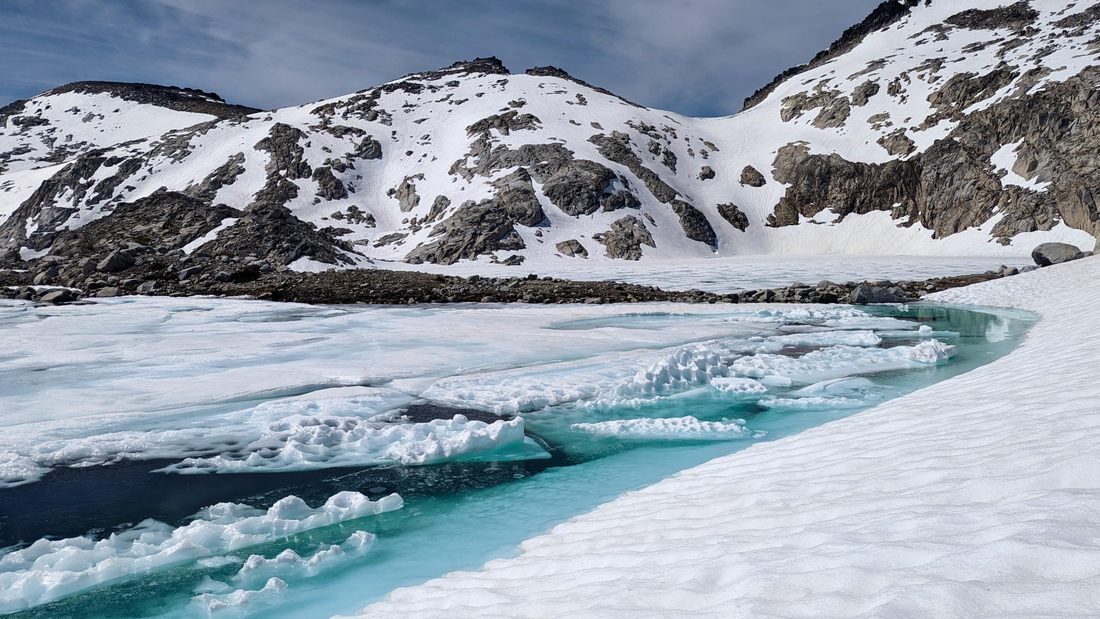
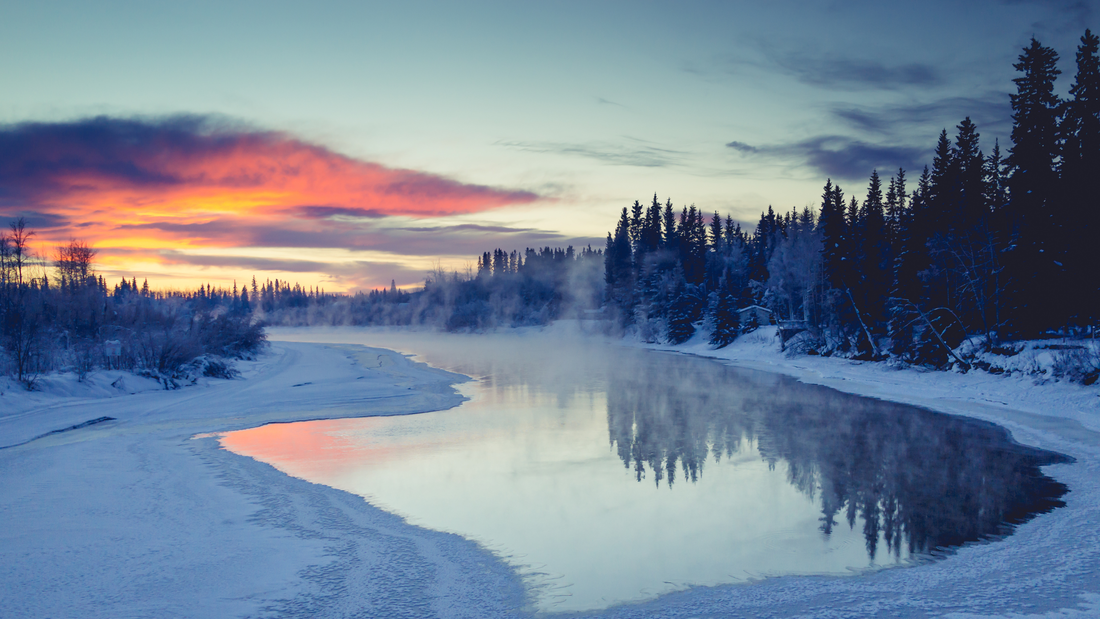
Winter in Alaska is a scene straight out of a postcard, with snow-covered mountains and frozen lakes dominating the landscape. Alyeska Resort offers world-class skiing, while dog sledding in Nome lets travelers embrace Alaska’s iconic winter sport.
Travel Tip:
Winter in Alaska is a scene straight out of a postcard, with snow-covered mountains and frozen lakes dominating the landscape. Alyeska Resort offers world-class skiing, while dog sledding in Nome lets travelers embrace Alaska’s iconic winter sport.
Travel Tip:
- Dress in layers; temperatures can drop below -20°F (-29°C) in winter months.
- Winter festivals, like the Iditarod Trail Sled Dog Race, provide unique seasonal experiences.
|
Why Alaska? Your Ultimate Travel Destination Awaits!
Alaska is more than just a trip—it’s an adventure of a lifetime. Whether you’re seeking adrenaline-pumping excursions, peaceful nature escapes, or the chance to witness the raw beauty of our planet, Alaska delivers beyond expectations. |
Planning Your Alaskan Adventure?
Alaska’s diverse colors paint an unforgettable travel experience, offering something unique in every season. Whether you’re seeking adventure, wildlife encounters, or natural beauty, the Last Frontier delivers.
Want personalized travel advice or itinerary planning? Connect with us today for expert recommendations and exclusive travel deals!
Alaska’s diverse colors paint an unforgettable travel experience, offering something unique in every season. Whether you’re seeking adventure, wildlife encounters, or natural beauty, the Last Frontier delivers.
Want personalized travel advice or itinerary planning? Connect with us today for expert recommendations and exclusive travel deals!