Curacao stands apart for three defining reasons:
- A preserved Dutch Caribbean capital with UNESCO recognition
- A dry, cactus filled landscape contrasting vivid turquoise sea
- A multilingual culture rooted in Papiamentu and layered heritage
These characteristics shape the island’s atmosphere and influence how I design itineraries here. Curacao is not a resort bubble destination. It rewards travelers who value structure, exploration, and balance.
Why Curacao Feels Distinct
The island’s terrain surprises many first time visitors. Instead of dense tropical vegetation, you find open hills dotted with cactus and divi divi trees shaped by steady trade winds. The climate is warm year round, yet the breeze keeps conditions comfortable. This dry environment influences architecture, agriculture, and daily life.
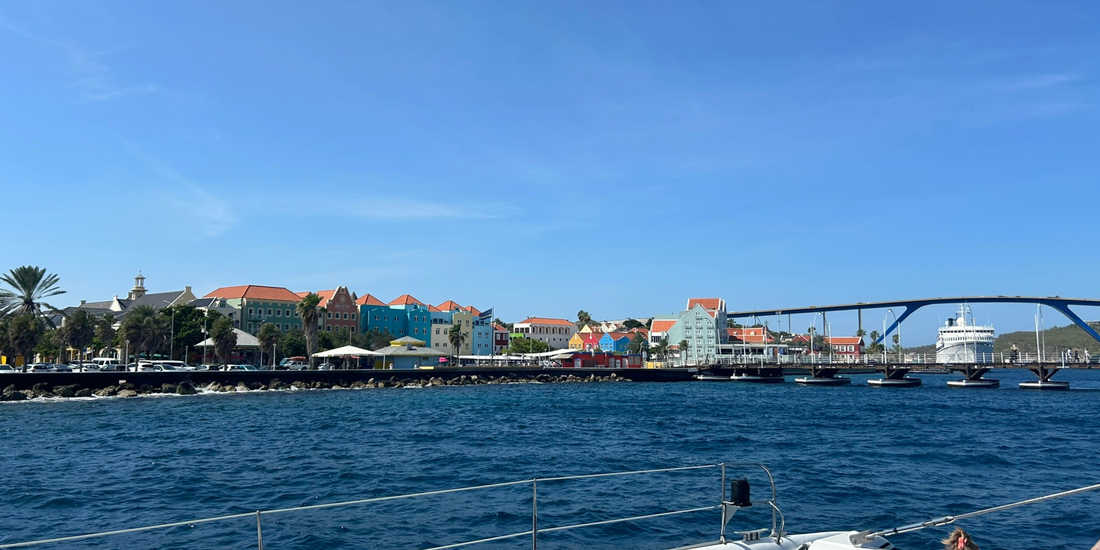
Willemstad, the capital, is a UNESCO World Heritage Site. Its waterfront district, Handelskade, presents rows of pastel buildings reflecting Dutch colonial design. Yet the cultural heartbeat remains Caribbean. Languages shift easily between Papiamentu, Dutch, Spanish, and English. Music and cuisine carry African and Latin influence.
Some travelers assume Curacao feels European due to its architecture. In reality, European design frames a deeply Caribbean identity. This balance defines the experience.
Destination Highlights
Willemstad: History in Motion
I encourage travelers to spend meaningful time here rather than passing through quickly. Walk the harbor at different times of day. Visit the Mikve Israel Emanuel Synagogue, one of the oldest in the Americas. Explore small museums sharing the island’s maritime and trade history.
Evenings unfold gradually. Restaurants fill at a relaxed pace. The harbor reflects soft light. The city invites presence rather than urgency.
Beaches: Defined Coves with Exceptional Clarity
Playa Kenepa Grandi, often called Grote Knip, provides elevated cliff views and remarkably clear water. Cas Abao Beach offers calm swimming with accessible amenities. Playa Porto Mari attracts snorkelers due to reef access near shore.
Water clarity remains consistent throughout much of the year because limited rainfall reduces sediment runoff. Shore diving here ranks among the Caribbean’s most accessible experiences.
The western side of the island feels quieter and more remote. Roads are narrow. Hills open wide. Beach visits become intentional rather than spontaneous drop ins from large resorts.
Christoffel and Shete Boka: Understanding the Landscape
Shete Boka National Park showcases the rugged northern coast. Waves collide with limestone inlets, demonstrating the island’s geological strength. The contrast between sheltered southern coves and dramatic northern shoreline highlights Curacao’s diversity within a compact space.
Understanding this landscape helps travelers appreciate why Curacao feels distinct from more tropical Caribbean destinations.
Cultural and Sensory Experience
Cuisine reflects blended heritage. Keshi yena, a baked cheese filled with seasoned meat, represents Dutch influence interpreted locally. Fresh seafood appears frequently, alongside stews featuring plantains and okra. Morning pastries such as pastechi remain popular with residents.
Markets in Willemstad provide insight into daily life. Conversations shift between languages. Vendors greet returning customers by name. Children pass through streets after school.
Music rooted in African tradition surfaces during festivals and community gatherings. Tumba rhythms echo during Carnival season. Outside celebrations, the island maintains a steady pace.
Trade winds shape daily comfort. They moderate heat and influence architecture, with shaded courtyards and open air dining spaces designed for airflow. This environmental consistency contributes to Curacao’s ease.
Practical Travel Insights:
An effective Curacao travel guide balances inspiration with logistics.
Best Time to Visit
Rainfall remains relatively limited, though October through December may bring brief showers and slightly higher humidity.
Budget Considerations
Dining varies widely. Waterfront restaurants trend higher, while local establishments provide generous portions at approachable prices.
Car rental should be included in most itineraries. Public transport does not efficiently connect western beaches and national parks.
Getting Around
What to Pack
Local Etiquette

A Common Misconception
Another misconception suggests the island lacks lush beauty because of its dry terrain. The contrast between cactus covered hills and clear turquoise water defines its aesthetic. Once expectations shift, the scenery feels purposeful and distinctive.
Who Curacao Suits Best
Anniversary trips feel natural here. Mornings can include snorkeling in clear water. Afternoons may involve exploring Willemstad’s architecture. Evenings lend themselves to extended dinners overlooking the harbor.
Travelers seeking high energy nightlife may find other islands more aligned. Curacao favors conversation, exploration, and steady presence.
Expert Planning Insight
Wind direction can also influence beach conditions. Certain coves offer calmer swimming depending on trade winds during your visit. Aligning location with seasonal patterns enhances overall experience.
Thoughtful planning shapes rhythm. It prevents over scheduling and supports meaningful time in each setting.
Curacao offers structure without rigidity and beauty without excess. Its architecture reflects heritage. Its language reflects history. Its landscape reflects the climate