
I went to Maui because one of my closest friends was getting married there. I flew in as a wedding guest with no planning responsibilities and no itinerary to manage. I just showed up.
By the end of the week I understood why couples keep choosing this island. Maui is not just beautiful. It is the kind of place which pulls you into something bigger than your own schedule, and the experiences you have there tend to stay with you longer than the photos suggest they will.
This is not a roundup of every waterfall and beach. It is the island through the lens of someone who has been there, who hiked the roads people skip, and who now helps couples decide whether Maui is the right fit for their honeymoon or destination wedding. If you are weighing your options, read this before you book.
Why Maui Stands Apart
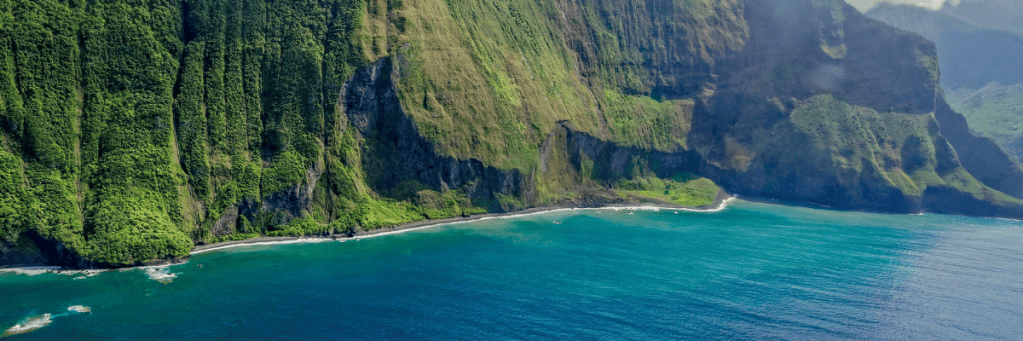
Maui is called the Valley Isle, and once you see it from the road or from above, the name makes sense. The island is defined by contrast: lush and deeply green in the north, dry and golden in the south, volcanic and dramatic in the east, with Haleakala rising to over 10,000 feet and pulling weather patterns around the entire island.
Oahu is where you go for cultural energy, history, and the kind of buzz a city layered onto a coastline produces. The Big Island delivers a scale you genuinely cannot prepare for, with active lava flows, snow-capped peaks, and entire ecosystems stacked on top of each other. Kauai feels quieter and wilder, with dramatic cliffs, lush valleys, and the kind of scenery made for couples who want nature to take center stage. Lanai trades variety for seclusion, while Molokai offers a slower, less-developed side of Hawaii for travelers looking to step farther away from the traditional resort experience.
For couples specifically, Maui delivers something both partners can build a trip around. If one of you wants to adventure all day and one of you wants to sit on a beach with a drink and nothing to do, Maui handles both without asking you to compromise. Understanding how your travel style as a couple shapes which honeymoon location actually makes sense is worth thinking through before you book.
The Road to Hana and the Road Nobody Takes
If you are going to Maui, you will hear about the Road to Hana before you even leave your house. It is 52 miles of twisting coastal highway, hundreds of tight curves, dozens of one-lane bridges, and pull-offs every quarter mile for waterfalls, black sand beaches, and views you cannot get anywhere else.
It is genuinely beautiful. It is also one of the more crowded drives on the island, and the destination is a small town with limited services and a lot of other people who drove the same road to get there.
On the northwestern side of the island, between Lahaina and Kahakuloa, there is a road most tourists skip entirely. It is not on most curated itinerary lists. It is winding, narrow in places, and not polished into a tourist experience. It winds through cliff edges and remote coastline and coastal farms with very few other tourists.
I thought it was better than the Road to Hana. The views are raw and exposed in a way the Road to Hana is not. You feel like you found something on your own instead of following a line of rental cars to the same pull-offs. If you are building your Maui itinerary, put this road on your list before you fill the whole trip with the famous one.
A Note on Lahaina
August 2023, Lahaina was devastated by wildfires. The town on Maui’s west side suffered significant and heartbreaking loss. The rebuilding effort is ongoing, and the community has responded with remarkable resilience.
If you visit the area, show up with intention. Support local businesses. Eat at locally owned restaurants. Buy from local makers and markets. The region is healing, and travelers who arrive with awareness and spend their money thoughtfully are a genuine part of what makes recovery possible. Lahaina’s history and cultural significance are worth honoring, not bypassing.
The Adventures Worth Your Time
Zip lining: I zip-lined on Maui and it delivered what I came for. Speed, height, and a view of the island from an angle you cannot access on the ground. What I did not expect was how clearly the central valley comes into focus from above. The whole island’s geography finally makes sense when you are looking down at it. If either of you has even mild adventurous instincts, put this on the day plan.
Parasailing: Parasailing off Maui is its own category of experience. You float up and the island appears below you, surrounded by open ocean on all sides, with Molokai and Lanai visible in the distance on a clear day. It is quiet up there in a way nothing on the ground is. Worth doing with someone you want to be quiet with.
Snorkeling: Maui’s snorkeling is genuinely excellent. Molokini Crater is the most popular spot, a partially submerged volcanic crater about three miles offshore with visibility over 150 feet and marine life you would not see anywhere else. Honolua Bay on the northwest coast is worth seeking out as a less crowded alternative with strong coral coverage. Most tour operators offer beginner-friendly trips with all equipment provided.
Luau: I went to a luau and I will be honest with you: it is not for everyone. It is theatrical and loud and the food arrives in large quantities. But the cultural storytelling, when presented with real care, is worth paying attention to. Look for a luau grounded in Hawaiian cultural tradition rather than a resort-produced show if you have options. The difference is noticeable.

Where You Stay Shapes Everything
Maui is a bigger island than it appears on a map, and where you stay determines your trip more than almost any other single decision. The drive from the south shore to the west side adds up quickly when you are doing it every day.
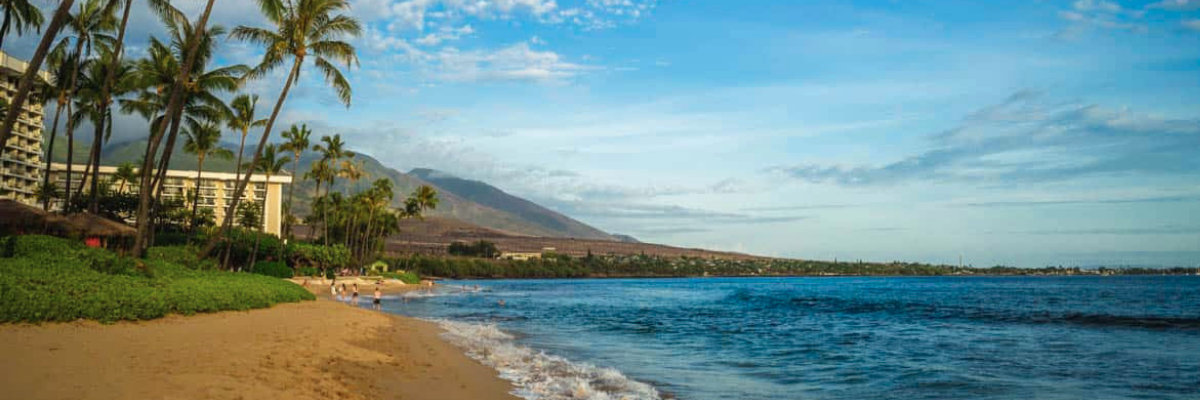
Wailea on the south shore is where you go for luxury resort accommodations, calm ocean conditions, and a polished, curated experience. Ka’anapali on the west side puts you close to activity operators and the Lahaina area. The north shore and Upcountry have a completely different atmosphere, more agricultural and local in feel, better for couples who want to feel like they found the island rather than a resort complex.
My recommendation as a travel advisor: figure out what you are prioritizing before you let a booking site make this decision for you. Adventure-focused couples often do best from the west side. Couples chasing pure romance and beach time usually do better out of Wailea. The right base changes everything about your daily experience. If you are narrowing a honeymoon destination when the list feels endless, I am happy to help you work through it.
When to Go
April through June offers some of the most favorable conditions on Maui: lower crowds than winter and summer, comfortable temperatures, and good water clarity for snorkeling and diving. December through April brings humpback whale season, and the whale watching off Maui is consistently among the best in the world. Peak season in December and summer aligns with school schedules, which means higher prices and more people at every pull-off.
Research consistently links honeymoon quality to long-term marriage happiness, and timing is one of the variables couples underestimate. Going to Maui in late shoulder season rather than peak can change the entire experience without changing the destination.

Final Thoughts
Maui earns its reputation. The island delivers on romance, on adventure, and on the specific feeling of being somewhere worth the flight. If you are deciding between Hawaiian islands for your honeymoon or destination wedding, Maui is the strongest choice for couples who want both experiences without having to choose between them.
As a Verified Travel Advisor and Certified Honeymoon Specialist, I plan honeymoons and destination travel around the couple, not a template.
If you are ready to start planning, I would love to help. Book a discovery call and we will build a trip around how you want to travel.