
This Dominica travel guide is for travelers who want depth in a destination. Dominica does not compete with other Caribbean islands on nightlife or expansive white sand beaches. It offers something far rarer: raw volcanic terrain, a living Creole culture, and a pace shaped by rivers and rainforest instead of resort schedules.
Why Dominica Feels So Distinct
Unlike neighboring islands where beaches define the experience, Dominica’s identity rises vertically. Peaks cut through clouds. Trails wind through thick forest. Steam drifts from geothermal vents. Even the beaches reflect its volcanic past, many of them dark sand edged by lush hills.
Morne Trois Pitons National Park, a UNESCO World Heritage site, anchors the island’s natural appeal. Within its boundaries are waterfalls, cloud forest, and the famous Boiling Lake, one of the largest hot lakes on earth. Few Caribbean destinations offer terrain this geologically dynamic.
Culturally, Dominica carries strong African and French Creole roots. English is the official language, though Kwéyòl remains widely spoken. The Kalinago Territory on the east coast preserves the heritage of the island’s indigenous people, making Dominica one of the few Caribbean islands with a recognized indigenous community maintaining ancestral traditions.
Life here moves with a quiet steadiness. Mornings begin early. Produce markets fill with fresh breadfruit, plantains, herbs, and spices. Evenings feel calm rather than staged. There is music during festivals, conversation on porches, and a sense of connection to land and sea.

Destination Highlights
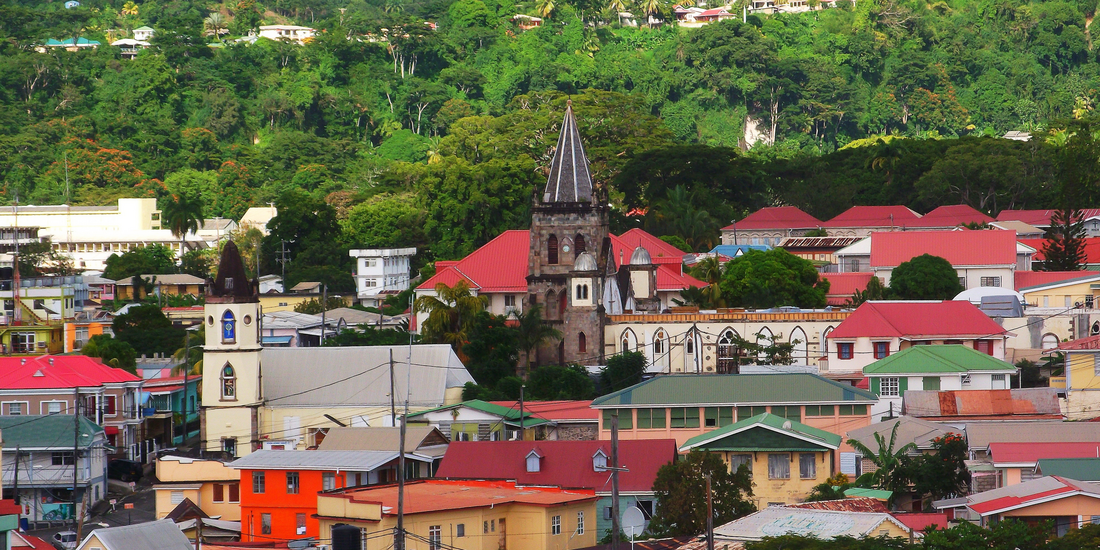
Roseau: A Capital With Character
The Old Market area offers a window into daily life. Vendors sell fresh fish, bundles of thyme, cocoa sticks, cassava bread, and seasonal fruit. You are not walking through a display designed for visitors. You are observing a working capital.
Spend time along the waterfront. Visit the Dominica Museum for historical context, and allow time to simply walk without agenda.
Morne Trois Pitons and the Boiling Lake
The hike is demanding and weather dependent. A certified local guide is strongly recommended. Conditions can shift quickly, and terrain can be challenging. For prepared travelers, the journey feels purposeful and immersive.
For a shorter adventure, Titou Gorge provides a different kind of thrill. You swim through cool water between tall rock walls toward a hidden waterfall. It feels cinematic yet grounded in raw nature.
These landscapes illustrate Dominica’s volcanic identity. The island does not simply offer scenic viewpoints. It invites you into active terrain.
Champagne Reef and Marine Life
Dominica is also known for strong diving conditions and year round whale watching. Deep waters close to shore attract sperm whales and other marine species. Dive sites remain relatively uncrowded compared to more commercialized islands.
Underwater exploration here feels spacious rather than hurried.
Kalinago Territory
This is not a performance designed to entertain visitors. It is a living community sharing history on its own terms. Travelers interested in understanding the Caribbean beyond colonial narratives will find this visit meaningful.
Cultural and Sensory Experience
Markets serve as culinary anchors. Many small restaurants source directly from farmers. Fresh juices made from passion fruit, guava, or sorrel are common. Rum punch appears, though rarely dominates the experience.
Music becomes more prominent during Carnival and the World Creole Music Festival, where cadence and bouyon rhythms animate the island. Outside festival periods, evenings remain peaceful. You hear tree frogs, distant waves, and conversation.
Dominica’s sensory atmosphere centers on green landscapes, mineral scents near hot springs, and the steady presence of water moving through valleys.
Practical Travel Insight
Best Time to Visit
Hurricane season runs from June through November. Travel remains possible, though flexibility and travel insurance are essential.
Budget Considerations
Guided excursions should be factored into your budget. Many of the island’s most rewarding experiences require local expertise.
Getting Around
An expert planning insight many overlook is timing excursions strategically by region. Grouping activities geographically reduces time spent in transit and allows for a more relaxed pace.
What to Pack
Local Etiquette

A Common Misconception
Arriving with realistic expectations leads to a far more rewarding experience.
Who Dominica Suits Best
Active travelers enjoy hiking, diving, and river exploration. Those seeking nightlife and large entertainment districts may prefer a different island.
For couples, Dominica provides space for shared discovery. A sunrise hike, a quiet soak in a natural hot spring, or a guided cultural visit creates moments rooted in experience rather than spectacle.
Dominica remains one of the Caribbean’s most distinctive destinations. Volcanic terrain shapes its geography. Creole and Kalinago heritage shape its culture. A steady, nature led rhythm shapes daily life.