
The Dominican Republic holds three defining qualities which give it a distinct personality within the Caribbean.
First, scale. This is one of the largest islands in the region, offering mountains, colonial cities, desert stretches, and more than one coastline.
Second, layered heritage. Spanish colonial architecture, African influences, and indigenous Taíno roots intersect in daily life.
Third, rhythm. Merengue and bachata are not performance pieces for visitors. They form part of daily expression, heard from car radios and family gatherings alike.
This combination of geography, culture, and pace creates a destination far more nuanced than many travelers expect.
Why the Dominican Republic Feels Different
In the north, emerald mountains roll toward beaches shaped by Atlantic swells. In the east, long arcs of pale sand face calm turquoise waters. In the southwest, dry landscapes contrast sharply with lush rainforests. Inland, valleys produce cacao and coffee, while cities pulse with music and traffic.
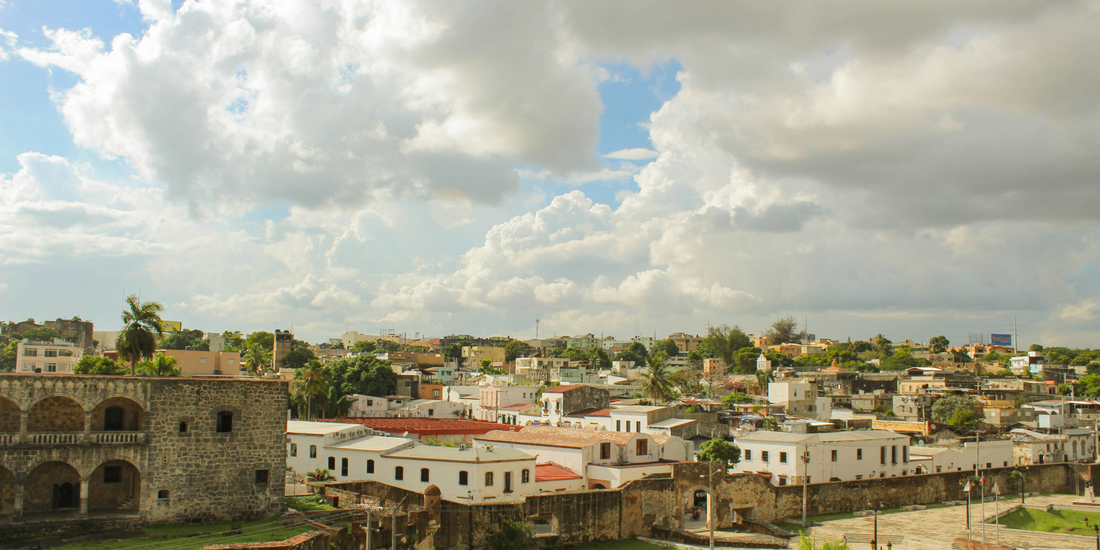
History is visible, not curated. In Santo Domingo, cobblestone streets in the Colonial Zone reveal buildings dating back to the early sixteenth century. This was the first European capital in the Americas, and its plazas remain active community spaces rather than preserved museum corners.
Cultural expression feels grounded. Dance happens organically. Street vendors prepare fresh empanadas beside modern cafés. Baseball fields fill with children practicing at dusk.
A strong Dominican Republic travel guide recognizes this depth. Beaches matter, but they are part of a wider story.
Destination Highlight
Punta Cana: Open Horizons and Gentle Waters
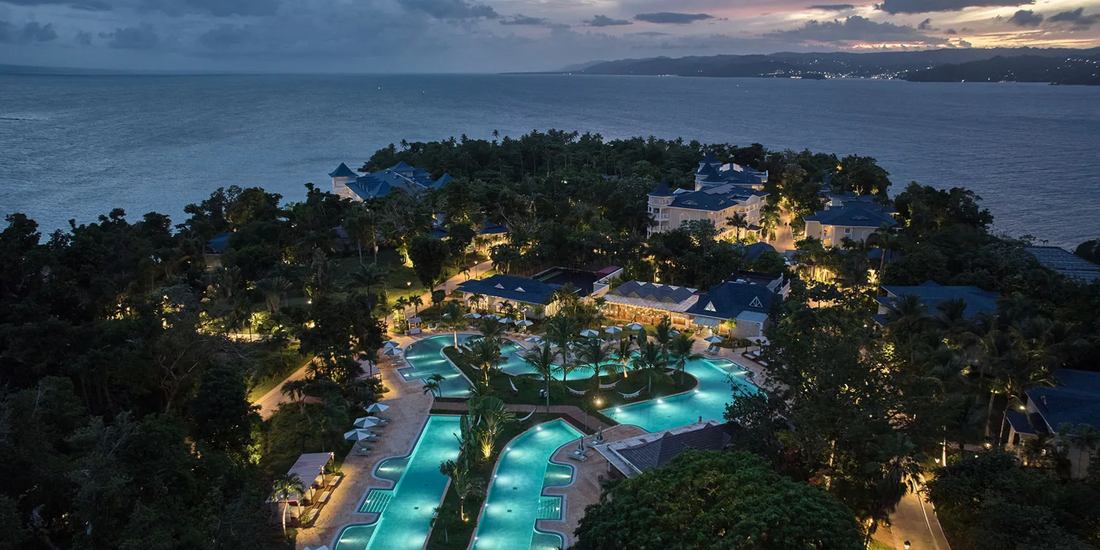
Morning light in Punta Cana feels soft. Sand remains cool underfoot. Water clarity is striking. This region works well for travelers seeking ease, structured amenities, and direct airport access. It is especially convenient for destination weddings due to established event infrastructure and experienced on site planners.
Yet even here, stepping beyond resort gates reveals small beachside restaurants serving grilled fish with lime and fresh herbs, as well as local rum poured without ceremony.
Santo Domingo: History in Motion
Dining here often unfolds outdoors. Tables spill onto stone streets. Live guitar accompanies conversation. Evenings feel social rather than staged.
Travelers interested in architecture, art, and layered history will find meaningful context here. Pairing Santo Domingo with a coastal stay provides contrast and balance.
Samaná Peninsula: Lush and Untamed
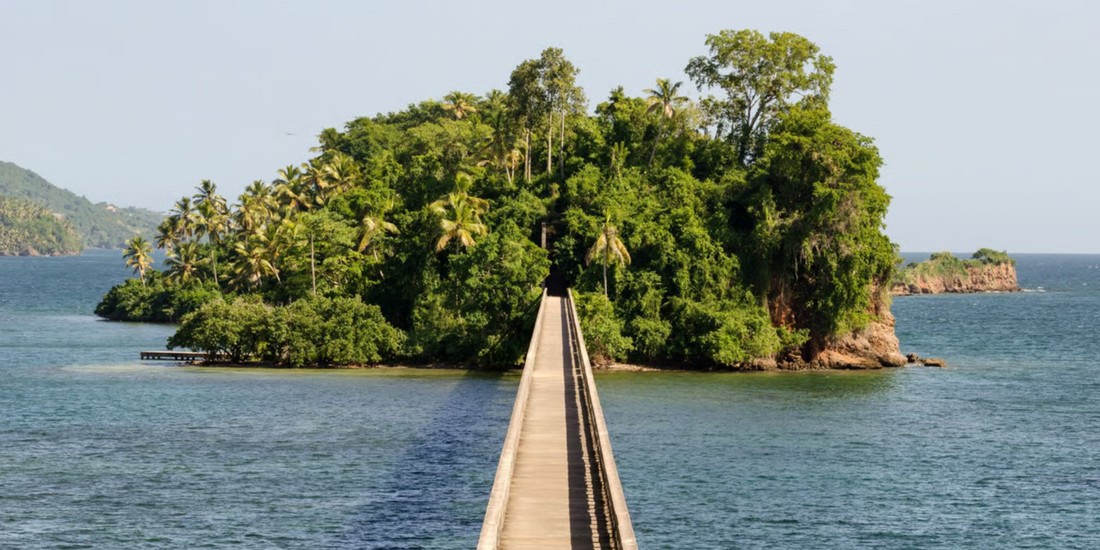
Beaches such as Playa Rincón remain wide and uncrowded. Small eco lodges and boutique hotels suit travelers who prefer immersion over scale.
La Romana and Bayahibe: Refined Coastal Calm
Altos de Chavón recreates a Mediterranean style village overlooking the Chavón River, hosting art galleries and an amphitheater.
Within this region sits Casa de Campo Resort & Villas, known for golf courses and private villas.
Cultural and Sensory Detail
Coffee is strong and served in small portions. Cacao production supports a growing craft chocolate movement. Local rum carries depth without unnecessary embellishment.
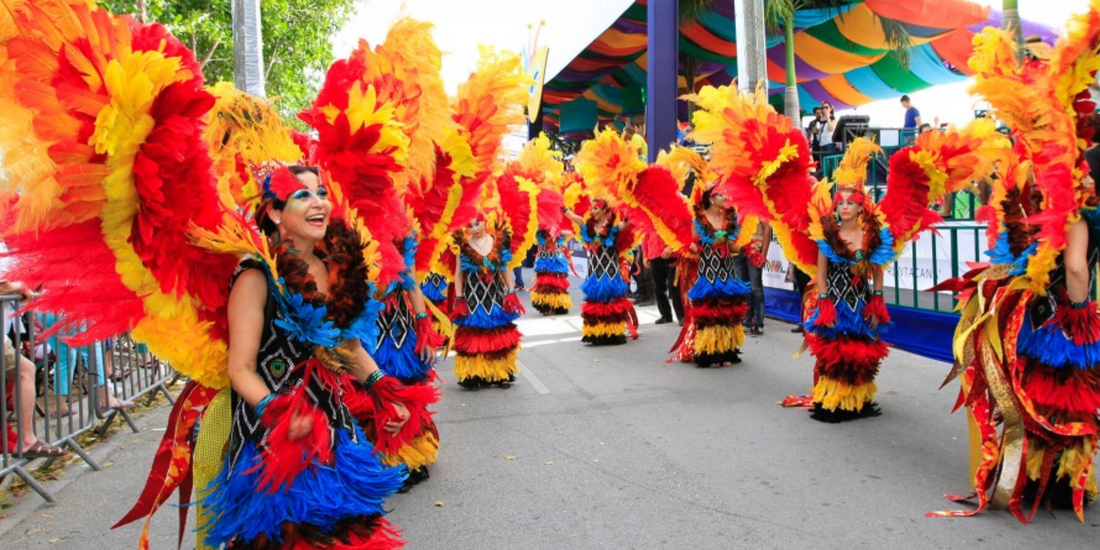
Music threads through daily life. Merengue rhythms feel brisk and celebratory. Bachata leans melodic and reflective. Both genres emerged from working class communities and remain central to identity.
Scenery shifts dramatically across short distances. One morning may begin on a beach lined with almond trees. By afternoon, a drive inland reveals pine forests in mountainous regions such as Jarabacoa.
Color defines streetscapes. Houses display pastel facades. Murals celebrate baseball legends and musicians. Market stalls overflow with mangoes and papayas in peak season.
A detailed travel guide considers these layers. Destination appeal rests not only on scenery but also on daily sensory life.
Practical Travel Insights
Best Time to Visit
Hurricane season spans June through November. Travel remains possible, yet flexible planning and travel insurance are advisable.
Budget Considerations
Excursions such as whale watching or island catamaran trips add value yet should be selected carefully based on operator quality.
Getting Around
What to Pack
Local Etiquette
A Common Misconception
Another misunderstanding involves safety. As with any destination, situational awareness and informed planning matter. Partnering with experienced local guides and reputable properties significantly enhances comfort.
An expert planning insight often overlooked involves combining regions. Pairing three nights in Santo Domingo with four nights in a coastal area provides context and contrast. This structure deepens understanding while preserving relaxation time.
Who the Dominican Republic Suits Best
Destination weddings find logistical ease in Punta Cana due to vendor networks and air access. Anniversary trips benefit from villa accommodations in La Romana for privacy paired with cultural outings.
Beyond romance travel, this destination suits families and travelers curious about Caribbean history. Its breadth allows tailored pacing rather than a fixed experience.
A thoughtful Dominican Republic travel guide highlights adaptability. Some visitors prefer structured resort days. Others seek waterfalls and mountain drives. Both approaches coexist comfortably here.
Travel in the Dominican Republic unfolds in layers. Music drifts from open windows. Mountains rise beyond coastal highways. Historic streets reveal centuries of influence. Days can feel expansive or intimate depending on how they are shaped.