
Three defining characteristics shape Haiti as a destination. The first is its powerful artistic identity expressed through painting, sculpture, and public murals. The second is its striking geography where rugged mountains meet Caribbean waters. The third is a culinary tradition influenced by African heritage, French techniques, and island ingredients. These elements combine to create a destination with depth and character.
For travelers interested in culture and discovery, Haiti travel offers an experience grounded in authenticity.
A Destination Shaped by Culture and History
Creative expression stands at the center of daily life. Artists produce vibrant paintings filled with symbolism and storytelling. Sculptors transform recycled metal into intricate designs. Colorful murals appear across buildings and public walls. Art here exists not only inside galleries but throughout neighborhoods and markets.
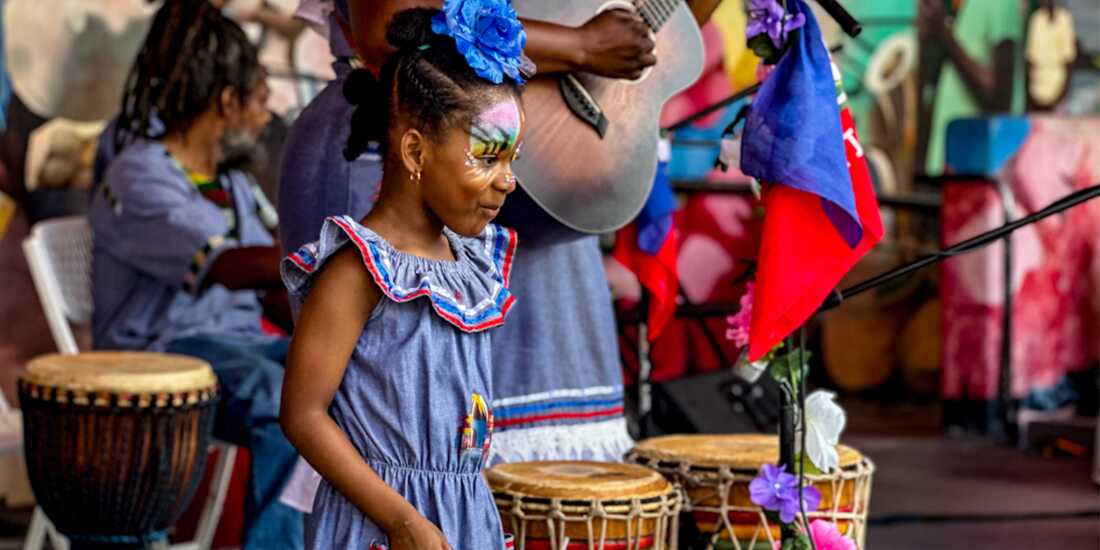
Music also plays an important role in Haitian culture. Traditional rhythms blend African percussion with Caribbean melodies. Kompa music often fills evening gatherings, offering smooth guitar lines and steady dance rhythms.
The pace of daily life moves gradually. Early mornings begin with market activity while afternoons slow during the warmest hours. Evening brings renewed energy as food stalls open and music returns to neighborhood streets.
Haiti travel allows visitors to experience this rhythm through observation and participation.
Locations Defining Haiti Travel
Cap-Haitien and the Northern Coas
Pastel colored buildings line narrow avenues where small cafés and local shops create a relaxed atmosphere. Markets bring together farmers, fishermen, and artisans selling handmade goods.
Nearby sits the Citadelle Laferriere, one of the most impressive fortresses in the Caribbean. Built shortly after claiming their independence, the massive stone structure rises high above the mountains and offers sweeping views across the surrounding landscape.
A short drive from the city leads to quiet beaches where calm water meets soft sand. These coastal areas provide a peaceful contrast to the historic energy of Cap-Haitien.
Jacmel and Haiti’s Creative Spiri
French influenced architecture remains visible throughout Jacmel. Ornate balconies overlook lively streets where art studios and small galleries display colorful paintings.
Local artisans produce elaborate papier mache masks used during carnival celebrations. These handcrafted designs represent animals, spirits, and historical figures while reflecting Haiti’s storytelling traditions.
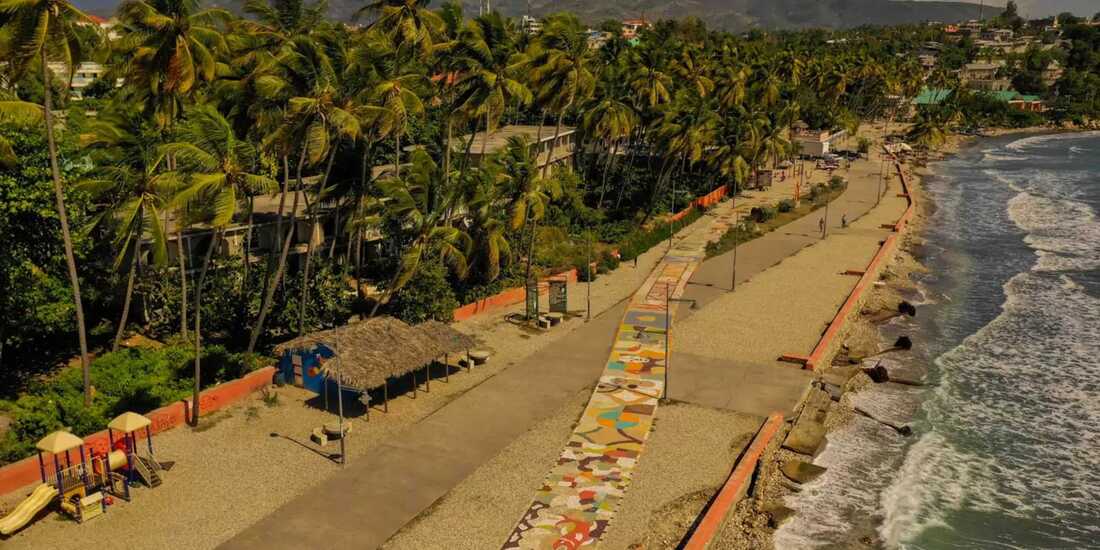
Beyond the town center, palm lined beaches stretch quietly along the coast. Small seaside restaurants serve fresh seafood while waves move steadily along the shore.
Jacmel combines art, architecture, and coastal scenery in a way few Caribbean towns can match.
Port au Prince and Urban Culture
The Iron Market serves as one of the most recognizable landmarks. Vendors sell spices, textiles, produce, and handmade crafts beneath its distinctive metal framework. The market provides insight into daily life while offering opportunities to sample local foods.
Museums such as the National Pantheon Museum explore Haiti’s history and independence movement through artifacts and exhibits.
Across many neighborhoods, colorful murals transform city walls into public art spaces. These works often reflect social themes, cultural pride, and storytelling traditions.
Port au Prince presents a complex yet rewarding introduction to Haitian culture.
Flavors, Music, and Everyday Sensory Moment
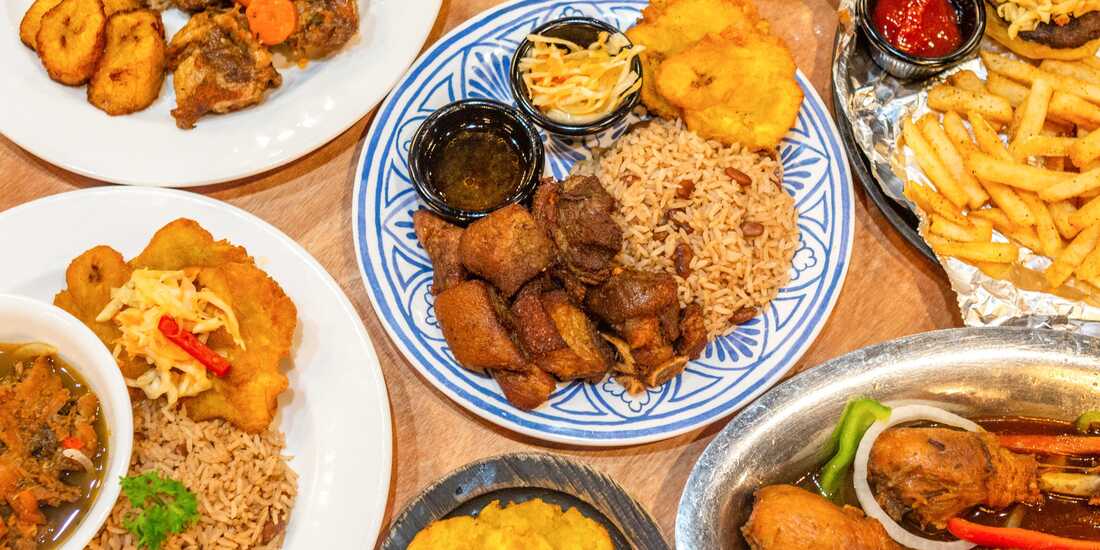
One widely loved dish is griot. The pork is marinated with citrus and spices before being fried until crisp. It is usually served with pikliz, a tangy vegetable relish prepared with cabbage, carrots, and peppers.
Rice dishes appear frequently in Haitian cuisine. Diri kole blends beans, coconut milk, and herbs to create a rich and satisfying staple.
Along coastal towns, seafood plays a central role. Fresh fish often arrives directly from nearby boats and is grilled with garlic, lime, and herbs.
Street food vendors also contribute to the culinary landscape. Small grills and market stalls offer fried snacks, roasted corn, and tropical fruit.
Markets, music, and food together reveal the vibrant personality of Haitian culture.
Practical Insights for Haiti Travel
Best Time to Visit
Budget Considerations
Getting Around
What to Pack
Local Etiquette
Expert Planning Insight
Understanding Haiti Beyond Headline
Regions such as Cap-Haitien and Jacmel continue to welcome visitors interested in history, art, and heritage. Travelers who approach Haiti with curiosity and preparation often discover welcoming communities and remarkable cultural depth.
Local guides and experienced travel planners help visitors explore safely while gaining meaningful insight into the destination.
Who Haiti Travel Suits Best
Couples seeking experiences rooted in culture rather than traditional resorts may also appreciate Haiti’s atmosphere. Coastal towns, mountain scenery, and artistic communities create memorable settings for anniversaries or thoughtful journeys together.
Boutique guesthouses and historic accommodations offer intimate spaces suited to travelers who prefer character and authenticity.
Haiti travel reveals a Caribbean destination shaped by resilience, creativity, and striking landscapes. Mountains rise above colorful towns while art and music remain part of everyday life. Markets, coastal villages, and historic landmarks each contribute to the country’s distinctive character.
A free consultation creates space to shape a custom itinerary matching your rhythm and goals.