

Iceland makes it very easy to save a long list of places you want to see. The harder part is deciding which ones fit your dates without spending the entire vacation driving between them.
Reykjavík, the Golden Circle, and the South Coast offer a useful starting point. From there, I would build the route around your available time, the experiences you care about, and the conditions you are comfortable traveling in.
If you want outdoor experiences followed by a comfortable hotel and a good dinner, Iceland is worth considering. Here is how I would approach a first visit, including where to slow down and what depends on the season.
Reykjavík: Your Gateway to Iceland
The Golden Circle is one of Iceland’s most popular sightseeing routes, because several major sights fit into a single day.
Þingvellir National Park is the first major stop for many visitors. The area matters both geologically and historically, with dramatic landscapes surrounding the site of Iceland’s historic parliament.
From there, the route continues to the Geysir geothermal area, where Strokkur erupts every few minutes, before reaching Gullfoss, one of the country’s most recognizable waterfalls.
For a short visit, I would consider a guided Golden Circle excursion before assuming you need a rental car for the entire stay. The best transport choice depends on how much of the trip takes place outside Reykjavík.
Waterfalls, Glaciers, and the Iceland South Coast
Iceland’s South Coast is where the country’s dramatic landscapes start to unfold.
Seljalandsfoss and Skógafoss are two stops to consider along the South Coast. The path behind Seljalandsfoss is an option only when conditions allow. Farther along, Reynisfjara is known for black sand and basalt formations.
Check local access notices before visiting and follow the beach warnings and closures. Sneaker waves make this a place to keep well away from the water, even when the shoreline appears calm.

I would leave enough time for the drive, a meal, and weather changes instead of filling the day with every viewpoint on the map. A shorter stop list can make the whole day more enjoyable.
Chase the Northern Lights in Iceland
For many travelers, the aurora borealis is the reason Iceland makes the wish list in the first place.
The Northern Lights are a natural phenomenon, so sightings are never guaranteed. Clear skies, darkness, and solar activity all play a part in whether the lights appear. The best opportunities come during Iceland’s darker months, when nights are long enough for aurora viewing.
Getting away from Reykjavík’s city lights improves visibility, and guided excursions help travelers respond to changing weather and cloud cover.
My advice is to choose a trip you would still enjoy if the lights never appear. Waterfalls, geothermal bathing, and guided outdoor experiences can give you plenty to look forward to while you allow several opportunities for aurora viewing.
Soak in Iceland’s Geothermal Waters
Iceland’s volcanic activity created another big part of its travel culture: geothermal bathing.
Geothermal bathing can be part of a Reykjavík stay or a road trip. The Blue Lagoon is one well-known option, but I would compare location, access, availability, and the atmosphere you want before choosing. Check current operating notices before building the day around a specific property.
Allow time to enjoy the experience. A geothermal booking squeezed between a long drive and a dinner reservation can become another appointment to keep.
Explore Iceland’s Wild Side
Iceland can suit travelers who enjoy being outdoors and also want comfortable accommodations. Choose the activity level around your interests and ability rather than assuming every day needs a major excursion.
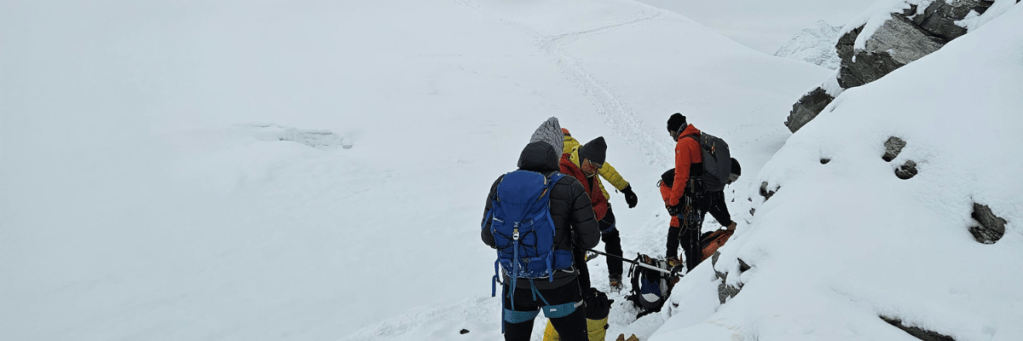
Hiking trails range from accessible walks to demanding multi-day routes. Glacier walks, horseback riding, whale watching, snorkeling between tectonic plates, snowmobiling, and ice-cave tours all offer different ways to experience the landscape.
I would allow some flexibility in the itinerary and check each operator’s change and cancellation terms. Weather may affect an activity, and moving it to another day still depends on availability. A spare afternoon cannot guarantee a replacement booking.
The Ring Road: Go Beyond the Highlights
Travelers with more time can drive the Ring Road around Iceland, connecting many of the country’s major regions.
The route opens up places far beyond the busy areas around Reykjavík and the Golden Circle: the eastern fjords, northern landscapes, fishing towns, waterfalls, volcanic areas, and quieter stretches of coastline.
For a longer visit, I would consider the Ring Road only after comparing the driving time with the time you want at each stop. You do not need to circle the island for a worthwhile first trip.
If mountain scenery by train sounds more like your kind of trip than mountain scenery by car, my guide to basing yourself in Switzerland covers a very different way to see dramatic landscapes in Europe.
Did You Know?
Iceland’s landscape is still being shaped by the volcanic forces beneath it.
The country sits on the Mid-Atlantic Ridge, where tectonic plates are pulling apart. Volcanic activity and geothermal energy have shaped Iceland’s terrain and still influence daily life on the island.
Geothermal energy is visible in everyday experiences such as heated pools. It is one reason a bathing stop belongs in the planning conversation alongside the waterfalls and scenic drives.
Despite a small population, Iceland has a strong cultural identity shaped by its isolated location, Norse heritage, literature, music, and relationship with the land around it.
The Best Time to Visit Iceland
The right time to visit depends on the kind of trip you want. Each season brings a very different version of the country.
Summer offers long daylight hours and more opportunities for outdoor travel. Road access still depends on the route and conditions, and longer days do not require longer sightseeing lists.
Winter brings shorter days, along with the chance to see the Northern Lights. Snow-covered landscapes give Iceland a completely different look, although weather and road conditions can change travel plans.
Spring and autumn sit between the two extremes. These seasons can work well for travelers looking for changing landscapes, fewer visitors, and a flexible itinerary.
There is no single perfect season for Iceland. The experiences you want should decide when you go.
Is Iceland Right for Your Trip?
Q: Is Iceland a good honeymoon destination?
A: Yes, if you enjoy outdoor experiences, scenic journeys, and geothermal bathing. I would plan it around your preferred pace and season, with comfortable stays and downtime between activities.
Q: How many days do you need in Iceland?
A: I would consider five to seven days for Reykjavík, the Golden Circle, and selected South Coast stops. Around ten to fourteen days gives more flexibility for a longer road trip. The route, season, and number of hotel changes matter as much as the total days.
Q: What is the best month to see the Northern Lights in Iceland?
A: The Northern Lights season generally runs through the darker months, from late August or September through April. Sightings depend on darkness, cloud cover, and solar activity, so no single month can guarantee a display.
Q: Is Iceland expensive to visit?
A: Iceland can be a relatively expensive destination, especially for accommodation, dining, rental cars, and organized excursions. You can manage costs by choosing accommodations carefully, planning an efficient route, and balancing restaurant meals with simpler options.
Q: Do you need to rent a car in Iceland?
A: Not necessarily. Reykjavík and several major sights can be reached through organized tours, while a car gives you more flexibility for road trips. A rental car becomes especially useful if you plan to explore beyond the main sightseeing routes.
Q: What should you pack for Iceland?
A: Layers are essential because weather changes quickly. Waterproof outerwear, warm layers, comfortable walking shoes, and clothing suited to wind and rain are useful year-round. Winter travelers should prepare for colder temperatures and potentially difficult road conditions.
Planning Your Iceland Vacation
Before choosing hotels in Iceland, I would work out the season, the route, and how much driving you want to do. Those decisions affect the experiences you can realistically include.
You might prefer a Reykjavík base with guided excursions, or several stays along the South Coast. With more time, a longer road trip could make sense. Each approach needs a different plan.
You can stay involved in choosing the experiences without taking on every booking and connection yourself. I help narrow the options, coordinate the travel arrangements included in your service, and keep the route manageable.
Leave time to enjoy the places you choose and a little flexibility for conditions along the way.
As a Verified Travel Advisor and Certified Honeymoon Specialist, I help plan vacations around your interests, comfort level, and available time. Schedule a discovery call to talk about the trip you have in mind and how my planning service works.

[…] Planning Iceland Beyond the Waterfall Photos […]