

Serbia is the kind of destination which surprises travelers who arrive without a fixed idea of what to expect. Belgrade, the capital, has riverside nightlife and a creative city scene. Novi Sad has café culture and Austro-Hungarian architecture. And beyond the cities, the mountains open up hiking, lakes, winter sports, and countryside escapes.
History runs through all of it: medieval monasteries, fortresses, traditional villages, wine regions, and Roman-era sites sit alongside modern cafés and restaurants. Couples can add river cruises, mountain retreats, wine tasting, and scenic stays, and Serbia works just as well for solo travelers, families, friend groups, and road-trippers.
This Serbia travel guide covers where to go, how to connect the regions, when to visit, and how many days a first trip needs.
Belgrade: Where the Trip Starts
Belgrade sits where the Sava and Danube rivers meet, and the rivers shape the city’s personality. Riverfront promenades, cafés, restaurants, parks, museums, and nightlife all compete for your attention, and the city feels completely different by day and by night.
Start at Belgrade Fortress and Kalemegdan Park, where the two rivers meet below the old walls. From there, walk Knez Mihailova Street, visit a museum or two, or wander into Skadarlija, the city’s traditional bohemian quarter. After dark, the floating river venues along the Sava and Danube take over.
Couples will love ending a day along the river around sunset. Travelers who love nightlife will find Belgrade gets livelier the later it gets. Two or three nights is a good starting point.
Novi Sad: Serbia's Calmer Side
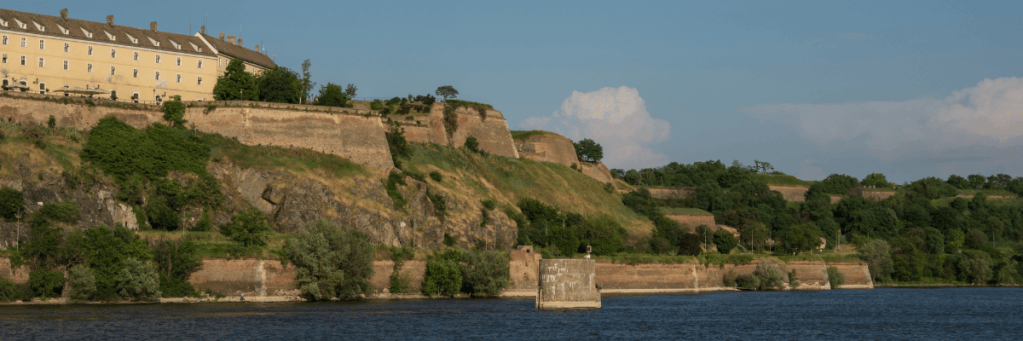
About an hour from Belgrade by road, Novi Sad has a very different feel. As the capital of Vojvodina, it combines a relaxed café culture with elegant architecture, pedestrian streets, and Petrovaradin Fortress overlooking the Danube.
Start at Petrovaradin for the views across the river and the city. The fortress is also home to EXIT Festival, one of Serbia’s best-known international music events, held each July. Worth knowing whether you want to be there for it or avoid the crowds.
Beyond the fortress, spend time around the central squares and pedestrian streets, where restaurants and cafés turn sightseeing into a long, easy afternoon.
The Danube: More Than a River
The Danube is one of Serbia’s defining features, and you can experience it in several ways: river cruises, waterfront walks, cycling routes, fishing, and scenic drives.
Further east, the river passes through the Đerdap Gorge, also called the Iron Gate, where dramatic cliffs close in around the water. Đerdap is one of Serbia’s national parks, known for its scenery as well as its historical and archaeological significance.
A Danube-focused itinerary works well for travelers who want to combine nature and history, and it deserves more than a quick stop between cities.
The Danube also connects Serbia to the rest of Europe. It runs through Romania’s Danube Delta at the far end, which I cover in my Romania travel guide and it is one of the classic European river cruise routes, compared with the Rhine in this guide to choosing your river cruise.
Serbia's Mountains and National Parks
Serbia has five national parks: Fruška Gora, Đerdap, Tara, Kopaonik, and Šar Mountain. This is where the trip changes character, trading city streets for forest trails, lakes, and viewpoints.
Zlatibor: The Classic Mountain Escape
Zlatibor is one of Serbia’s best-known mountain resorts, with a tourism tradition going back to the 19th century. Meadows, forests, mountain air, and outdoor activities make it popular in both summer and winter. Warmer months bring hiking, cycling, and village visits, and winter brings snow sports.
The Old Village Museum in nearby Sirogojno shows traditional rural architecture and daily life. Zlatibor is a great choice for couples who want a comfortable mountain stay, and for families and groups who want an easy outdoor base.
Tara: Forests, Lakes, and the Drina Canyon
Tara National Park is the more nature-focused option. In western Serbia, it is surrounded by dense forest, the Drina River canyon, and lakes including Perućac and Zaovine. Hiking, cycling, and fishing are all popular here.
Tara is home to the Serbian spruce, a tree found almost nowhere else, and to wildlife including brown bears, chamois, and golden eagles. Lodging around Kaluđerske Bare and Mitrovac makes a multi-night stay easy, and I would give Tara at least two nights.
Kopaonik and Fruška Gora
Kopaonik is Serbia’s main destination for skiing and winter mountain trips. Fruška Gora, in the north, combines nature, monasteries, and access to the vineyards of northern Serbia, which makes it a lovely addition for wine lovers.

Niš: Follow Serbia's Roman History
Southern Serbia adds a different historical layer, especially around Niš. The city grew from the ancient settlement of Naissus and became an important Roman center. It is also associated with Emperor Constantine the Great.
Niš Fortress is a good starting point, with archaeological sites and museums adding context. The city is also known for its food scene, so plan at least one long meal of southern Serbian cooking. Because Niš sits at a crossroads between eastern and western Europe, it also works as a base for exploring the south.
Where to Stay in Serbia
Lodging depends on the route. Belgrade has the widest range, from contemporary hotels and boutique properties to central apartments. Staying near the historic center keeps the main sights, restaurants, and nightlife within easy reach.
Novi Sad has smaller hotels and guesthouses. Zlatibor and Tara have resorts, cabins, apartments, and countryside properties. Couples looking for romance can choose a mountain retreat or boutique stay, while families may prefer bigger properties with outdoor space.
On a road trip, do not choose lodging by price alone. A well-positioned hotel or guesthouse can save hours of driving and make each region easier to explore without constantly packing and moving.
When to Visit Serbia
Serbia is a year-round destination, and the best timing depends on what you want to do. According to the National Tourism Organisation of Serbia, spring and autumn are especially good for sightseeing and nature walks, summer suits river activities, and winter brings mountain sports.
Summer is also festival season. Belgrade’s riverside venues are busy, Novi Sad hosts major events, and the mountains and lakes are great for hiking. Spring and autumn offer a comfortable balance for combining cities and the outdoors. Winter makes the most sense for travelers who want skiing and snow.
How Many Days Do You Need in Serbia?
A long weekend covers the highlights of Belgrade, but Serbia gets much more interesting once you leave the capital.
- Three to four days: Belgrade plus a day trip or a night in Novi Sad
- Seven days: Belgrade, Novi Sad, and one mountain or nature region
- Ten to fourteen days: add Tara or Zlatibor, the Danube and Đerdap, and Niš
For the longer version, a road trip is the way to go, since smaller towns and national parks are much easier to reach with a car. You do not need to see the whole country in one visit. Choose a few regions and give each one enough time.
Is Serbia Right for Your Trip?
Serbia is a strong fit for travelers who want a European trip combining history, food, nightlife, nature, and cities, without a resort-style stay at the center of it. The food alone is a reason to go: ćevapi, pljeskavica, kajmak, sarma, traditional pastries, local wine, and rakija in a traditional kafana.
It is less of a fit for travelers who want to spend the whole vacation on a beach or inside an all-inclusive. Serbia’s strength is variety and the ability to move between very different experiences.
Frequently Asked Questions
Q: How many days do you need in Serbia?
A: Three to four days covers Belgrade and a nearby excursion. Seven days adds Novi Sad and one mountain or nature region, and 10 to 14 days allows a broader road trip.
Q: What are the best places to visit in Serbia?
A: Belgrade and Novi Sad are strong starting points. Zlatibor, Tara, Kopaonik, Đerdap, and Niš each offer a different experience outside the main cities.
Q: Is Serbia good for a road trip?
A: Yes. Driving makes it much easier to connect the cities with mountain resorts, national parks, small towns, and rural areas.
Q: What food should you try in Serbia?
A: Look for ćevapi, pljeskavica, kajmak, sarma, and traditional pastries, along with local wine and rakija. Traditional kafanas are the best places to experience local food culture.
Q: Is Serbia good for couples?
A: Yes. Couples can plan riverfront dinners in Belgrade, wine tasting around Fruška Gora, scenic mountain stays at Tara or Zlatibor, and relaxed city breaks in Novi Sad.
Plan Your Serbia Escape
Serbia works best when you let yourself see more than the capital. Belgrade brings the energy, Novi Sad brings the calm, the Danube adds a natural route through the country, and Tara and Zlatibor bring the mountains.
As a Verified Travel Advisor and Certified Honeymoon Specialist, I help travelers decide which regions belong in their trip and how to connect them without turning the vacation into a series of long transfers.
Whether you are planning a first visit, a multi-country European trip, a romantic escape, or a road trip through the Balkans, the right route can make Serbia feel much bigger, and more rewarding, than it looks on a map.

[…] Serbia Travel Guide: Belgrade, Novi Sad, Mountains, and the Danube […]